Why Is My Indoor Plant Dripping Water?
You walk over to check on your beloved fiddle leaf fig or pothos on a quiet morning, and you notice tiny droplets of water forming at the tips of the leaves or pooling beneath the pot. Your first instinct might be to panic. Is it sick? Is something wrong with the roots? Are you watering it too much? If you’ve been asking yourself, “why is my indoor plant dripping water?” you’re definitely not alone, and the good news is that it’s usually not a cause for alarm.
Plants drip water for several reasons, and understanding what’s actually happening is the first step to keeping your plant happy and healthy. In this guide, we’ll break down the most common causes, what they look like, and exactly what you should do about each one.
7 Common Repotting Mistakes You Must Avoid for Healthy Plants
The Most Common Reason: Guttation
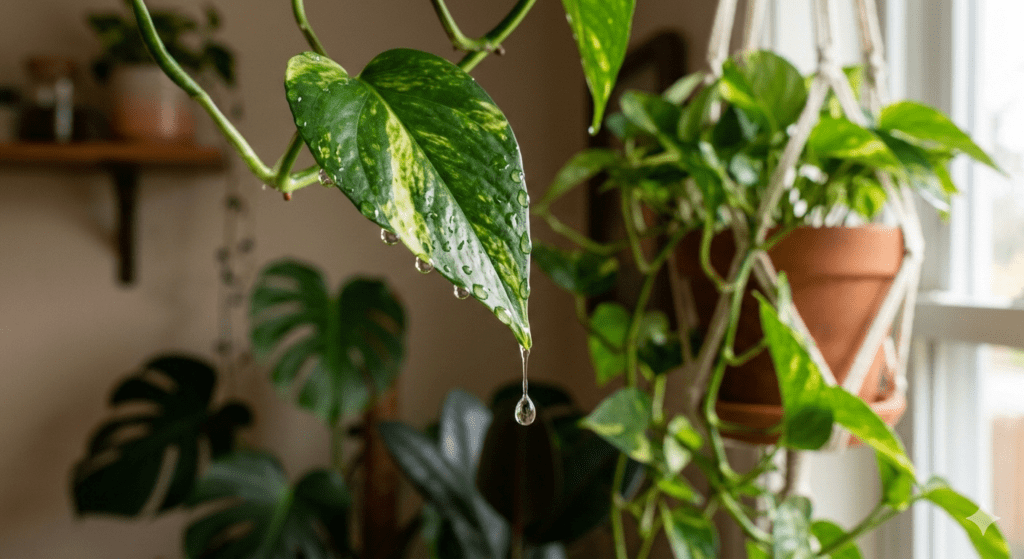
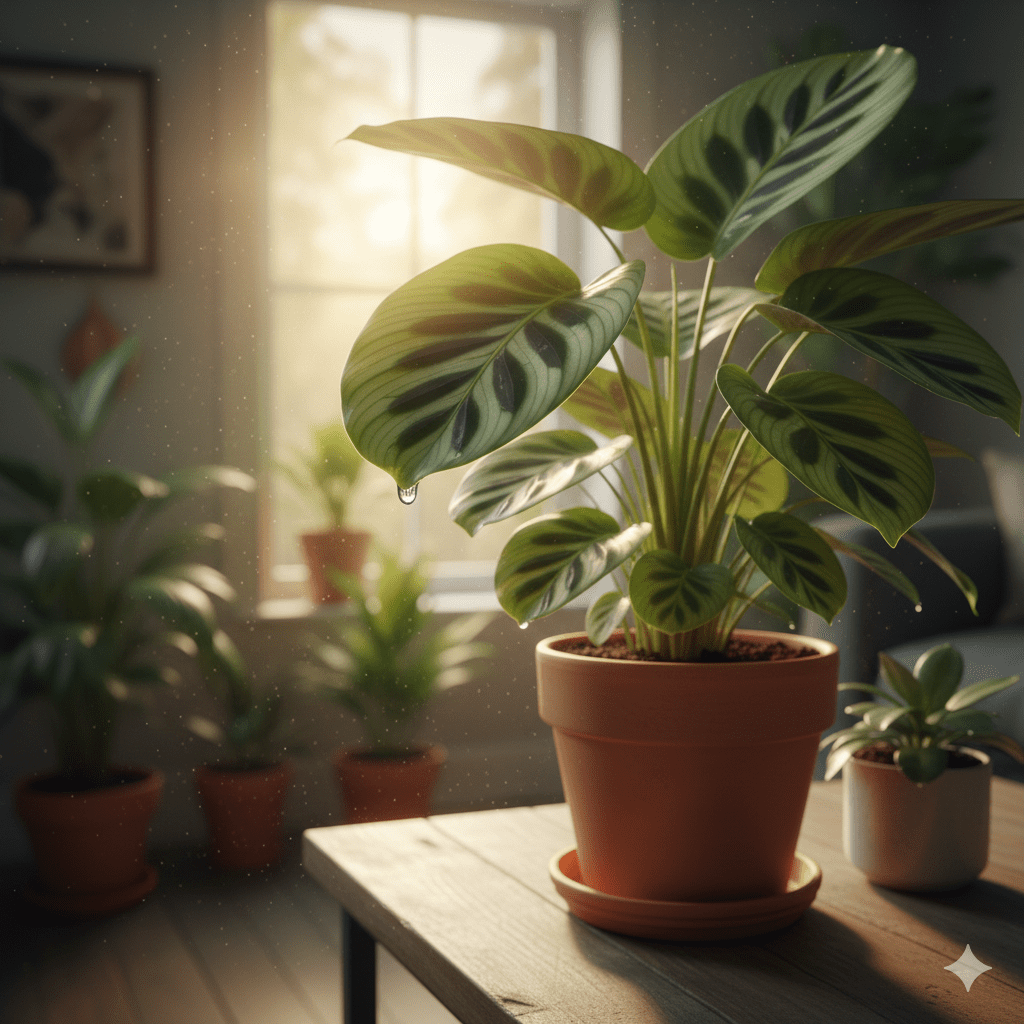
If you’ve noticed your plant dripping water from the tips or edges of its leaves, specifically in the early morning or overnight, the most likely explanation is a process called guttation. It sounds complicated, but it’s actually a completely natural and healthy plant behaviour.
What Is Guttation?

Guttation happens when a plant absorbs more water from the soil than it can release through its normal breathing process (transpiration). During the night, when transpiration slows down, the excess water has to go somewhere. So the plant pushes it out through tiny pores at the edges of its leaves called hydathodes.
The liquid you see isn’t pure water, either. It contains small amounts of minerals, sugars, and other compounds from inside the plant. This is why guttation droplets can sometimes leave a faint residue on leaves if left to dry.
Which Plants Are Most Prone to Guttation?
Almost any houseplant can experience guttation, but some are more prone to it than others. Common culprits include:
- Pothos
- Tomato plants
- Strawberry plants
- Colocasia (elephant ear)
- Monstera deliciosa
- Peace lilies
If your plant is on this list and you’re seeing droplets in the morning, there’s a very good chance guttation is exactly what’s going on. It’s worth noting that guttation is much more common in younger, actively growing plants.
Could It Be Overwatering?
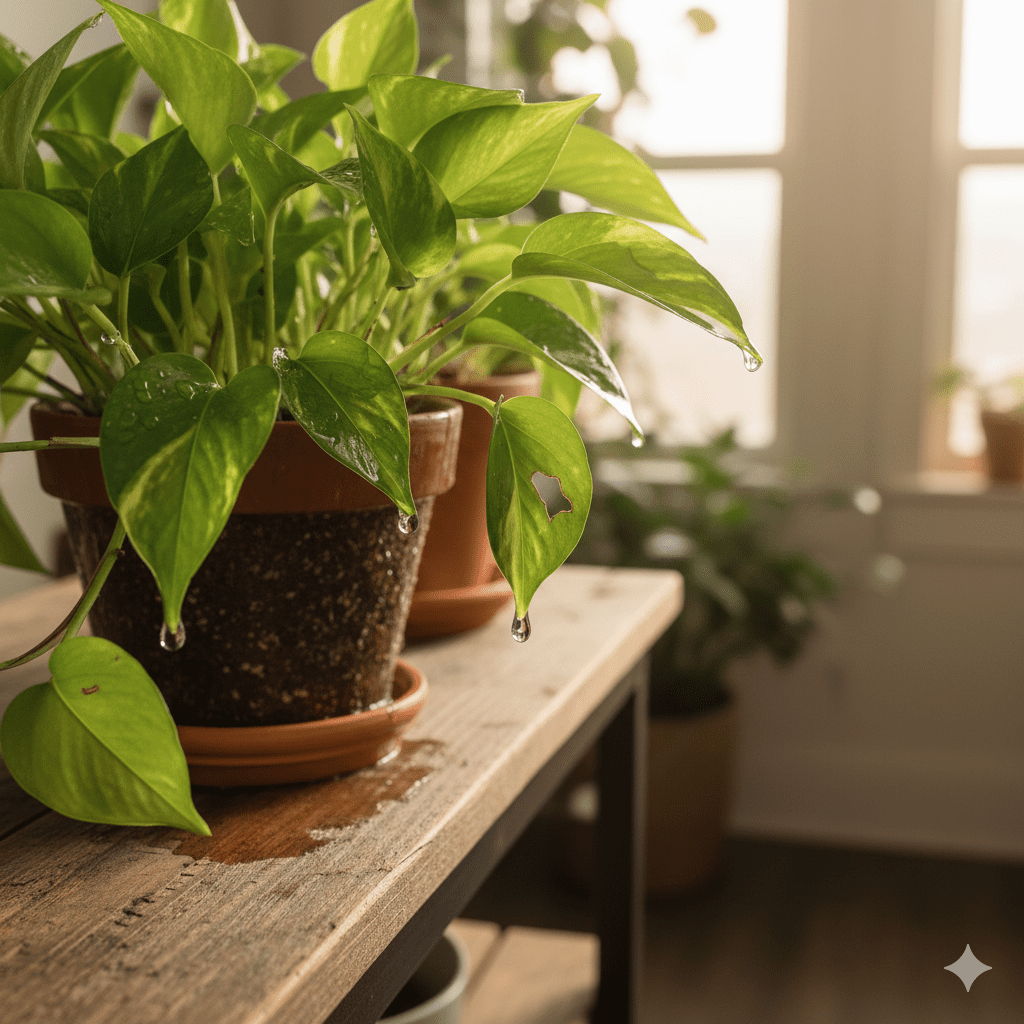
While guttation is usually harmless, another reason your indoor plant might be dripping water is overwatering. These two causes can look similar at first, so it helps to know the difference.
How To Care For Basil Plant Indoors
Signs That Overwatering Is the Problem
Unlike guttation (which only affects leaf tips), overwatering tends to produce a broader set of symptoms. Watch out for:
- Yellowing leaves, especially lower ones
- Soggy or waterlogged soil that doesn’t dry out between waterings
- A musty or sour smell coming from the soil
- Water pooling on top of the soil and not draining
- Soft, mushy stems near the base of the plant
- Brown, slimy roots if you lift the plant from its pot
If your plant is dripping from the leaves AND showing any of these signs, overwatering is likely the issue. Left unchecked, it can lead to root rot, which is one of the most common killers of houseplants.
How to Fix It
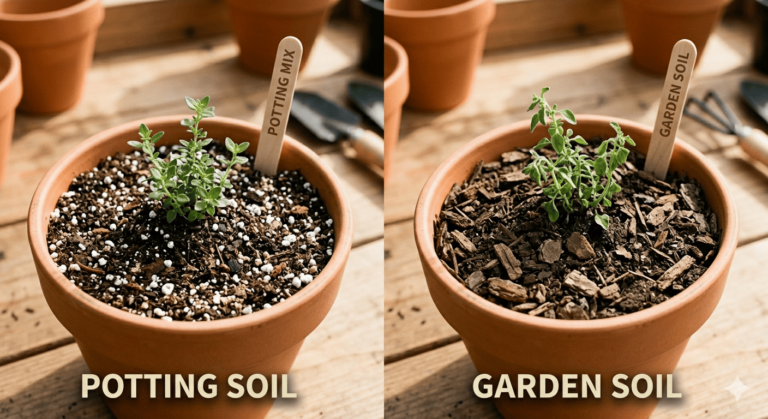
Start by letting the soil dry out completely before watering again. You can test this by pushing your finger about two inches into the soil. If it still feels moist, hold off. You should also make sure your pot has drainage holes so excess water can escape, and consider switching to a well-draining potting mix if your current one stays wet for too long.
7 Easy Tips For Growing Plants Indoors
High Humidity and Condensation

Sometimes what looks like your houseplant dripping water isn’t actually coming from the plant at all. If you live in a humid climate or keep your home’s humidity levels high, you may be seeing condensation forming on the leaves, pot, or surrounding surfaces.
This is especially common in bathrooms, kitchens, or near humidifiers. The water droplets form the same way they do on a cold glass of water on a hot day. It’s purely a physical reaction and has nothing to do with the plant’s health.
If you suspect condensation is the culprit, check whether the droplets are appearing on the outside of the pot and on surrounding surfaces too, not just on the leaves themselves. If so, you might want to slightly reduce the humidity in the room or improve air circulation with a small fan.
How To Care For ZZ Plant Indoors
Transpiration: When Plants Just Breathe
Plants constantly release water vapour through tiny pores in their leaves called stomata. This process, called transpiration, is essentially how plants breathe. Under normal conditions, you won’t see this moisture because it evaporates immediately.
However, in a very humid room with poor airflow, that moisture can accumulate on the leaf surface before it has a chance to evaporate. This can make it look like the plant is dripping or sweating, even though it’s completely healthy.
The fix here is simple: improve ventilation. Open a window occasionally, run a ceiling fan, or position a small desk fan nearby to keep air moving around your plants.
Should You Be Worried?
In most cases, indoor plants dripping water is nothing to stress about. Guttation is a sign of a healthy, well-watered plant. Condensation is an environmental quirk. And normal transpiration is just biology doing its thing.
You should pay closer attention if:
- The dripping is accompanied by yellowing, wilting, or mushy stems
- The soil is consistently wet and not drying out
- You notice an unpleasant smell from the soil or roots
- The leaves are developing brown spots or dropping off
If any of these apply, revisit your watering habits and check the roots for signs of rot.
How To Make A Succulent Terrarium For Indoor Plants
How to Reduce Plant Dripping Indoors
If the dripping is becoming a nuisance (especially if your plant is sitting on furniture), here are a few practical steps you can take:
- Water your plants in the morning so excess moisture has time to evaporate during the day
- Reduce how much you water and allow the top two inches of soil to dry between sessions
- Place a saucer or tray underneath the pot to catch any drips
- Improve airflow in the room to help moisture evaporate faster
- Wipe guttation droplets off leaves with a soft damp cloth to prevent mineral residue
None of these steps require major changes to your plant care routine. Small adjustments can make a big difference.
Frequently Asked Questions
Is it normal for indoor plants to drip water?
Yes, it’s very common and usually harmless. The most frequent cause is guttation, a natural process where plants expel excess water through their leaf tips. It typically happens overnight or in the early morning and is more common in plants that have been well-watered.
Why do plant leaves have water droplets in the morning?
Morning droplets are almost always the result of guttation. Overnight, when the plant isn’t losing water through transpiration, excess moisture is pushed out through hydathodes at the edges of the leaves. It’s a completely natural response to having plenty of water in the soil.
Can guttation harm my plant?
Guttation itself won’t harm your plant. However, the droplets can leave a slight mineral residue on leaves as they dry, which may eventually clog the hydathodes. Wiping the leaves occasionally with a damp cloth is a simple way to prevent any buildup.