If you have ever looked at your lush, trailing pothos plant and thought, “I wish I had more of these,” you are in luck. Pothos water propagation is one of the easiest and most satisfying gardening projects you can do right at home. Whether you are a first-time plant parent or a seasoned indoor gardener, rooting pothos cuttings in water is a simple, low-cost way to multiply your collection and share plants with friends.
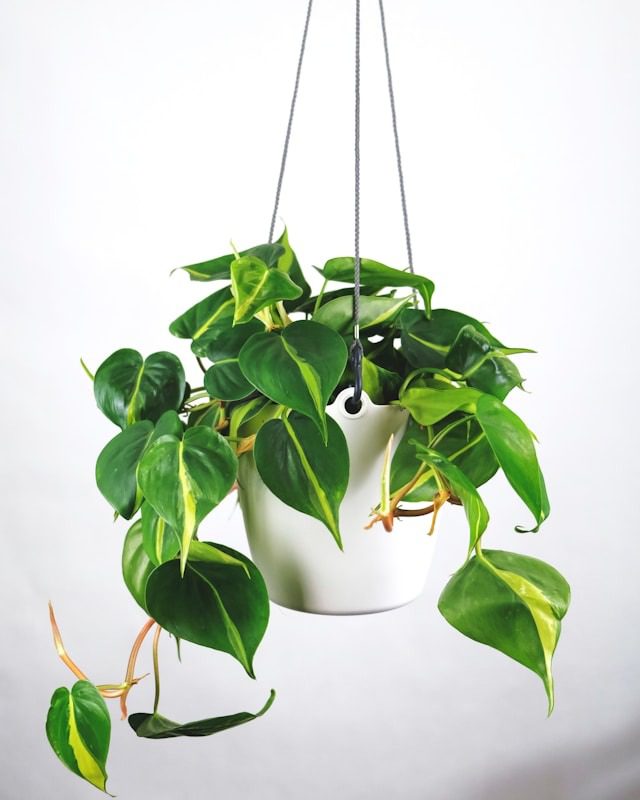
The best part? You do not need any special tools, soil, or gardening experience. All you need is a healthy pothos plant, a clean jar or glass, some water, and a bright spot on your windowsill. In this guide, we will walk you through every step of the process so you can get the best results possible.
4 Ways to Make Your Jade Plant Grow Faster
What You Need Before You Start
Before you begin, gather these simple supplies:
- A healthy pothos plant with several stems
- Clean, sharp scissors or pruning shears
- A glass jar, vase, or clear container
- Room temperature water (filtered or tap water left overnight to dechlorinate)
- A bright spot with indirect sunlight
How to Propagate Pothos in Water: Step-by-Step
Step 1: Choose the Right Stem Cutting
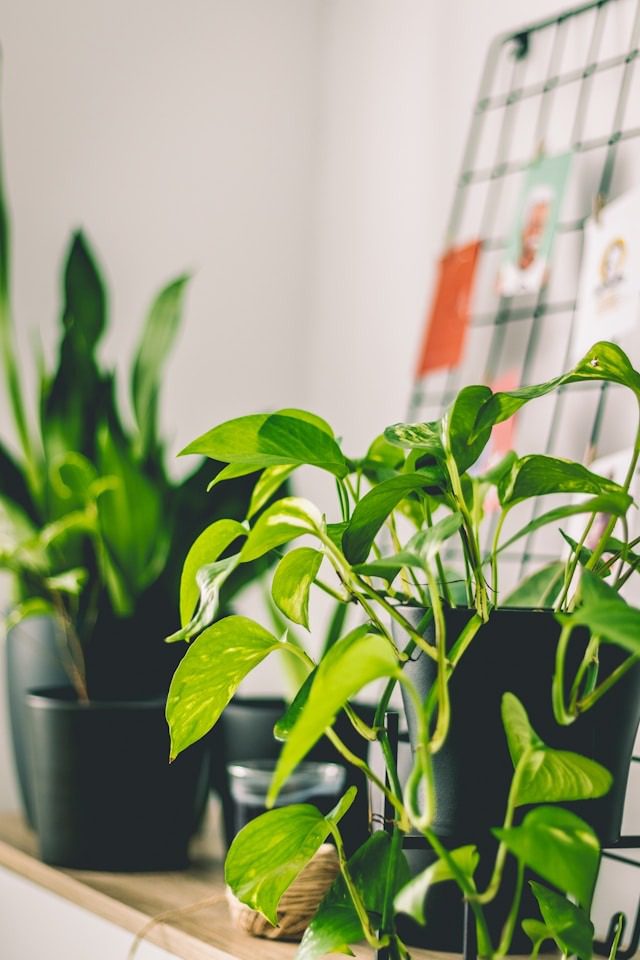
Start by selecting a healthy stem from your pothos plant. Look for a vine that has at least two or three leaves and, most importantly, one or more nodes. A node is the small, brownish bump on the stem where the leaf meets the vine. This is where new roots will grow, so you cannot propagate pothos without a node.
Aim for a cutting that is about 4 to 6 inches long. Avoid stems that look yellowed, mushy, or damaged, as these are less likely to root successfully.
Step 2: Make a Clean Cut
Using clean scissors or pruning shears, cut the stem just below a node at a 45-degree angle. This angled cut increases the surface area for root development. If your cutting tool is dirty, wipe it down with rubbing alcohol first to prevent introducing bacteria to the cutting.
Step 3: Remove the Lower Leaves
Strip off any leaves from the lower part of the stem, especially those that would sit below the waterline. Leaves submerged in water will rot quickly and can contaminate the water, which may harm the cutting before it even gets a chance to root. Leave two or three leaves at the top of the cutting intact so the plant can still photosynthesize.
Step 4: Place the Cutting in Water
Fill your jar or glass with clean, room-temperature water and submerge the node end of the cutting. The node must be fully underwater for roots to develop. Using a clear container is helpful because it lets you monitor root progress without disturbing the cutting. Avoid putting the cutting in direct sunlight as this can cause algae growth in the water.
Step 5: Find the Right Spot
Place the jar in a warm location with bright, indirect light. A spot near a window that gets gentle morning light is ideal. Temperatures between 65 and 80 degrees Fahrenheit are best for rooting. Avoid cold windowsills or drafty areas, as low temperatures can significantly slow root development.
Step 6: Change the Water Regularly
Refresh the water every five to seven days to keep it clean and oxygenated. Stagnant water can become a breeding ground for bacteria, which can rot the stem before roots form. When you change the water, rinse the jar and the base of the stem gently to remove any buildup.
How Long Does Pothos Take to Root in Water?
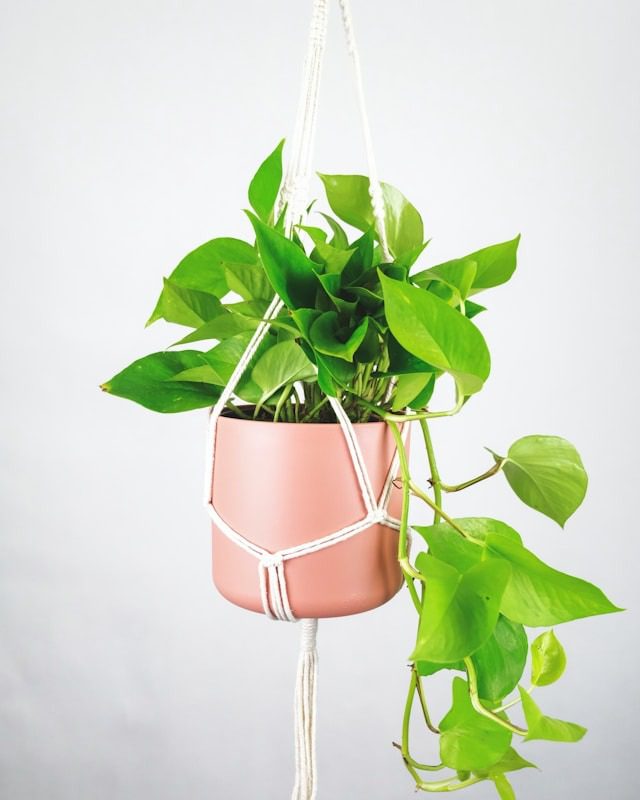
This is one of the most common questions beginner plant parents ask. Under ideal conditions, you can expect to see tiny white roots emerging from the nodes within one to two weeks. By the three to four week mark, the roots should be about one to two inches long and ready for transfer to soil.
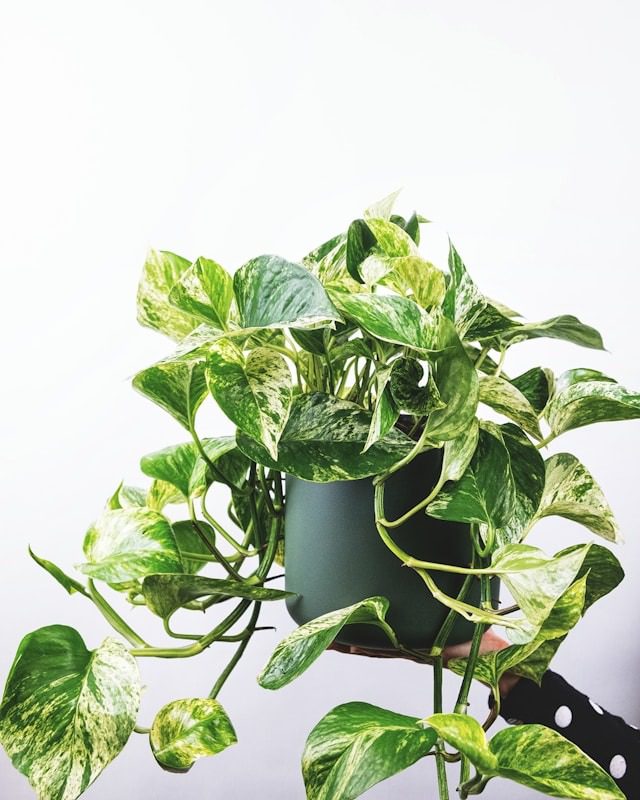
Roots grow faster in warm, bright conditions, so if your cuttings are slow to root, consider moving them to a warmer spot. Golden pothos tends to root slightly faster than other varieties, though all popular types including marble queen, neon, and pearls and jade will propagate well in water.
Can Succulents Survive In An Air Conditioned Room?
How to Make Pothos Cuttings Root Faster in Water
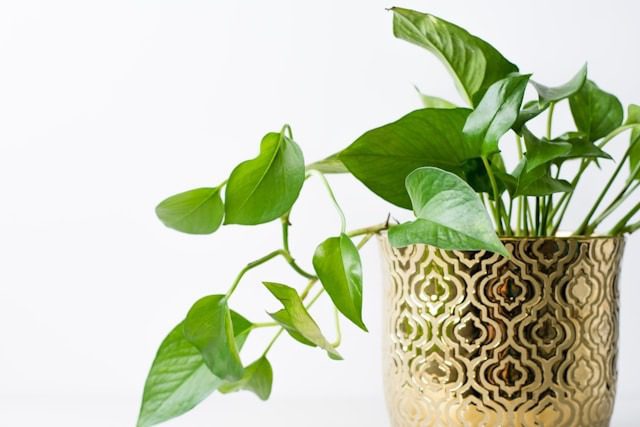
Want to speed things up? Try these proven tips:
- Use lukewarm water rather than cold water to encourage faster root growth.
- Add a tiny amount of liquid fertilizer (highly diluted) to the water to provide nutrients.
- Make sure the node is fully submerged at all times.
- Keep the cutting in a consistently warm room, ideally above 65 degrees Fahrenheit.
- Use a clear jar so you can check on root progress without disturbing the cutting.
When to Transfer Your Water-Propagated Pothos to Soil
You can transfer your pothos cutting to soil once the roots are at least one to two inches long. At this length, they are strong enough to establish themselves in potting mix. Wait too long and the roots may become too used to water, making the transition to soil more stressful for the plant.
Choose a well-draining potting mix and a small pot with drainage holes. Gently plant the rooted cutting, water it thoroughly, and place it in bright, indirect light. Keep the soil consistently moist for the first two weeks to help the roots adjust to their new environment.
6 Top Reasons For Crepe Myrtle Leaves Turning Yellow
Pothos Cutting Not Rooting in Water? Here is How to Fix It
If your cutting is not rooting after three weeks, here are a few things to check:
- No node on the cutting: Without a node, roots simply cannot grow. Always confirm your cutting includes at least one node before placing it in water.
- Water temperature too cold: Move the jar to a warmer location away from air conditioning vents or cold floors.
- Dirty water: Change the water immediately and clean the jar to remove any slime or bacteria.
- Stem rot: If the submerged portion has turned brown and mushy, trim the affected area with clean scissors and place the cutting in fresh water.
Frequently Asked Questions
Can you propagate pothos without a node?
No, you cannot successfully propagate pothos without a node. The node is the only part of the stem that contains the cells needed to produce new roots. A cutting with only leaves and no node will not develop roots no matter how long you leave it in water.
How many nodes are needed to propagate pothos?
You only need one node to propagate a pothos cutting, but having two or three nodes on the cutting gives you a stronger, fuller plant once it begins to grow. More nodes mean more potential growth points, which can result in a bushier plant over time.
Is pothos propagation in water better than in soil?
Both methods work well, but water propagation has a few advantages for beginners. You can easily monitor root development, the process requires no soil or special materials, and it tends to have a higher success rate for new plant parents. Soil propagation, on the other hand, produces roots that are already adapted to their growing medium, which can make the transition slightly less stressful for the plant.
What is the best water temperature for propagating pothos?
Room temperature water between 65 and 75 degrees Fahrenheit is ideal for pothos propagation. Water that is too cold can slow root development significantly, while water that is too warm can promote bacterial growth. Lukewarm tap water or filtered water left at room temperature overnight works perfectly.
Can pothos live in water forever?
Yes, pothos can actually thrive in water long-term if you keep the water clean and provide occasional diluted liquid fertilizer for nutrients. Many plant lovers grow pothos permanently in water as a low-maintenance, soil-free alternative. Just make sure to top up the water regularly and change it every one to two weeks to prevent stagnation.