ZZ Plant Care Guide: Tips for a Thriving Plant
If you have ever walked into a room and spotted a glossy, dark green plant sitting confidently in a corner with almost no fuss, there is a good chance it was a ZZ plant. Known scientifically as Zamioculcas zamiifolia, this gorgeous tropical beauty has earned a reputation as one of the most forgiving and low-maintenance houseplants around. Whether you are a first-time plant parent or a seasoned green thumb, ZZ plant care is refreshingly simple once you understand what this plant actually needs.
In this complete ZZ plant care guide, we will walk you through everything from light and watering to soil, repotting, propagation, and common problems. By the end, you will have all the knowledge you need to keep your ZZ plant looking its absolute best.
How to Care for a Proton Plant (Complete Growing Guide)
What Is a ZZ Plant?
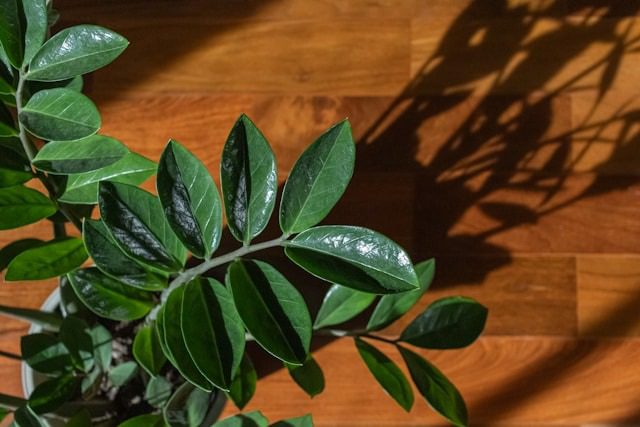
The ZZ plant is a flowering plant native to Eastern Africa, particularly found growing in dry grasslands and forests from Kenya to South Africa. It belongs to the family Araceae and is the only species in the genus Zamioculcas. Its thick, waxy leaves and naturally drought-tolerant nature made it a survival expert long before it became a popular indoor plant.
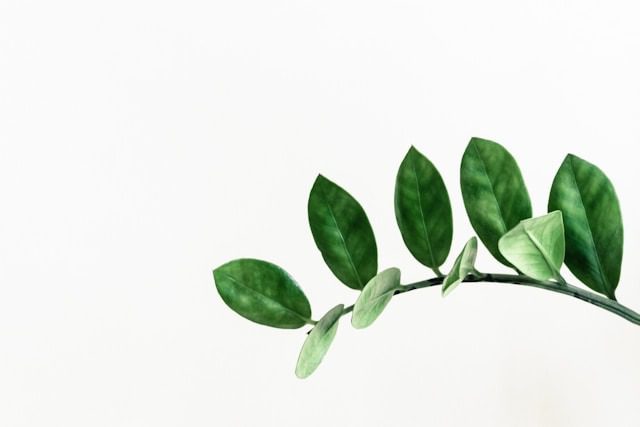
Its glossy pinnate leaves grow on arching stems and can reach heights of two to four feet indoors, making it an elegant statement plant. It grows slowly but steadily, and with the right ZZ plant care routine, it can live for many years with minimal effort.
Can Succulents Survive In An Air Conditioned Room?
ZZ Plant Light Requirements
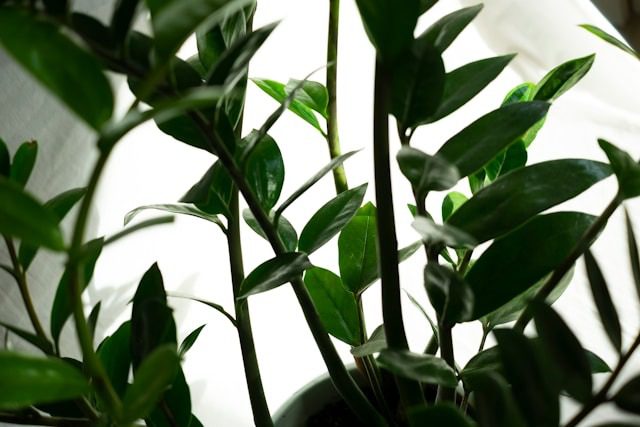
One of the biggest reasons people love the ZZ plant is its incredible adaptability to different light conditions. While it thrives best in bright indirect light, it can survive in low light environments that would cause most houseplants to struggle. This makes it a top pick for offices, hallways, and rooms with few windows.
However, there is a catch. “Surviving” in low light is not the same as “thriving.” In very dim conditions, growth slows significantly and leaves may lose some of their luster. For the best results, place your ZZ plant near a north or east-facing window where it receives gentle, filtered light throughout the day.
Avoid placing it in direct sunlight, especially harsh afternoon sun, as this can scorch the leaves and cause them to turn yellow or brown at the tips.
15 Best Indoor Plants for Cold Temperatures
How Often to Water a ZZ Plant
Watering is where most people go wrong with ZZ plant care. Overwatering is the number one killer of this plant. Because ZZ plants store water in their thick rhizomes (underground potato-like roots), they are built to handle drought far better than excess moisture.
As a general rule, water your ZZ plant every two to three weeks during the growing season (spring and summer), and reduce watering to once a month in fall and winter when the plant is not actively growing. Always check the soil before watering. Stick your finger about two inches into the soil, and only water if it feels completely dry.
Signs of Overwatering vs. Underwatering
- Overwatering signs: yellowing leaves, mushy stems, soggy soil, root rot
- Underwatering signs: wilting, curling leaves, dry and pulling-away soil, slow growth
Best Soil Mix for ZZ Plant
Choosing the right soil is a crucial part of ZZ plant care. This plant needs a well-draining soil mix that does not hold too much moisture. A standard potting mix alone can retain too much water for the ZZ plant’s liking.
The best approach is to mix regular potting soil with perlite or coarse sand in a roughly 2:1 ratio. You can also use a cactus or succulent mix, which already has excellent drainage built in. Make sure the pot has drainage holes at the bottom so excess water can escape freely.
Why Is My Indoor Plant Dripping Water?
Temperature and Humidity Needs
The ZZ plant is comfortable in typical indoor temperatures between 65 and 85 degrees Fahrenheit (18 to 29 degrees Celsius). It does not tolerate frost or temperatures below 45 degrees Fahrenheit, so keep it away from drafty windows and air conditioning vents during winter months.
As for humidity, this plant is not particularly fussy. Average household humidity levels between 40 and 60 percent are perfectly fine. If your home is very dry, an occasional misting or placing a pebble tray with water nearby can help, but it is rarely necessary.
How To Care For Basil Plant Indoors
Fertilizing Your ZZ Plant
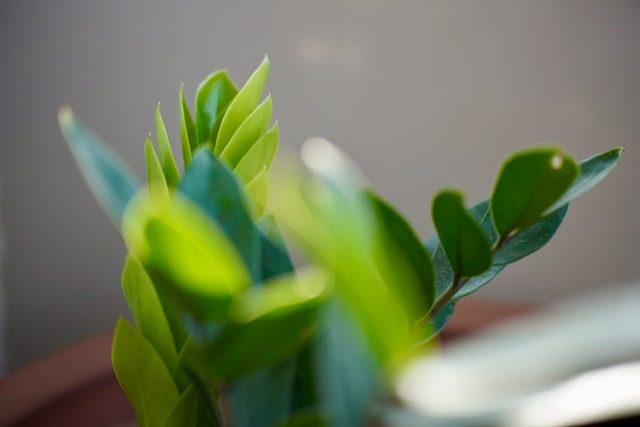
ZZ plants are light feeders and do not require heavy fertilizing. Feed your plant once a month during the spring and summer growing season using a balanced liquid fertilizer diluted to half strength. Avoid fertilizing in fall and winter when the plant is in a dormant or slow-growth phase.
Over-fertilizing can cause salt build-up in the soil and lead to brown leaf tips. Less is always more with ZZ plant fertilization.
How to Create a Pebble Tray for Your Houseplants
How to Repot a ZZ Plant Step by Step
Because ZZ plants grow slowly, they do not need repotting very often. A good rule of thumb is to repot every two to three years, or when you notice roots starting to peek out from the drainage holes at the bottom of the pot. The best time to repot is in spring or early summer when the plant is actively growing.
- Water the plant a day before repotting to reduce stress on the roots
- Choose a pot one to two inches larger in diameter than the current one
- Gently remove the plant, shake off old soil, and inspect the rhizomes
- Trim any damaged or rotting roots before placing in fresh soil mix
- Water lightly after repotting and place in indirect light for a week to recover
ZZ Plant Care and Propagation
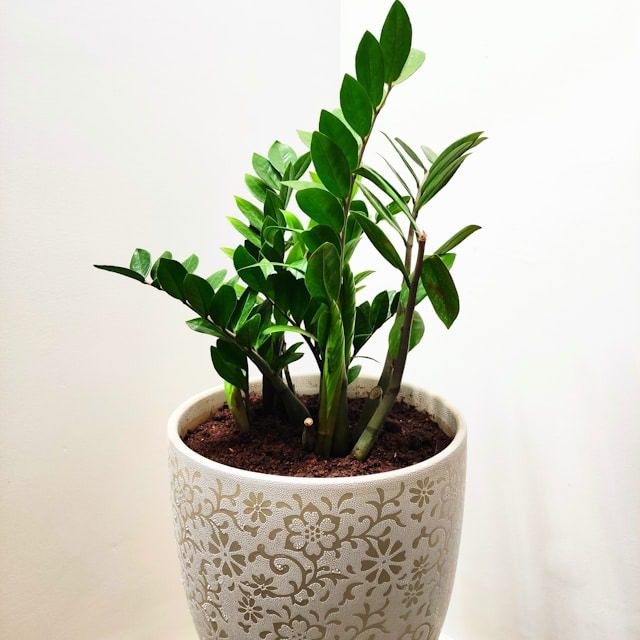
Propagating a ZZ plant is a rewarding process, although it requires a bit of patience since this is not the fastest-growing plant. The two most common methods are leaf cuttings and rhizome division.
Leaf cuttings: Remove a healthy leaf with its stem, let it dry for a few hours, then place it in moist soil or water. With patience of several months, a new rhizome will eventually develop.
Rhizome division: During repotting, gently separate the rhizomes and plant them individually in fresh soil. This is the faster and more reliable method.
How To Flush soil Without Overwatering plants
Frequently Asked Questions (FAQ)
How often should I water my ZZ plant?
Water your ZZ plant every two to three weeks during spring and summer, and reduce to about once a month in fall and winter. Always let the soil dry out completely between waterings to avoid root rot.
Can ZZ plants grow in low light?
Yes, ZZ plants can survive in low light conditions, which makes them ideal for offices and dimly lit rooms. However, they grow best and maintain their glossy appearance in bright indirect light. Very low light will slow growth considerably.
Why are my ZZ plant leaves turning yellow?
Yellow leaves on a ZZ plant are typically a sign of overwatering or poor drainage. Allow the soil to dry out fully before the next watering, and make sure the pot has adequate drainage holes. In some cases, yellowing can also result from too much direct sunlight.
How big do ZZ plants get indoors?
Indoors, ZZ plants typically grow between two and four feet in height, though growth is slow. With ideal conditions (good light, proper watering, and occasional fertilizing), some mature plants can reach close to five feet over many years.
Is the ZZ plant good for beginners?
Absolutely. The ZZ plant is widely considered one of the best houseplants for beginners because of its tolerant nature. It can handle neglect, low light, and inconsistent watering better than almost any other popular indoor plant, making it a near-perfect choice for first-time plant owners.
5 Best Gardening light meter For Plant Care