What Causes Brown Tips on Houseplant Leaves?
You water your plants, give them sunlight, and do everything right, yet those crispy, brown tips keep showing up. Sound familiar? Brown tips on houseplant leaves are one of the most common problems indoor gardeners face, and the good news is that most causes are completely fixable once you know what to look for.
In this guide, we will walk through every possible reason your plant leaves are browning at the tips and, more importantly, exactly what you can do to fix it.
Why Do Houseplant Leaves Turn Brown at the Tips?
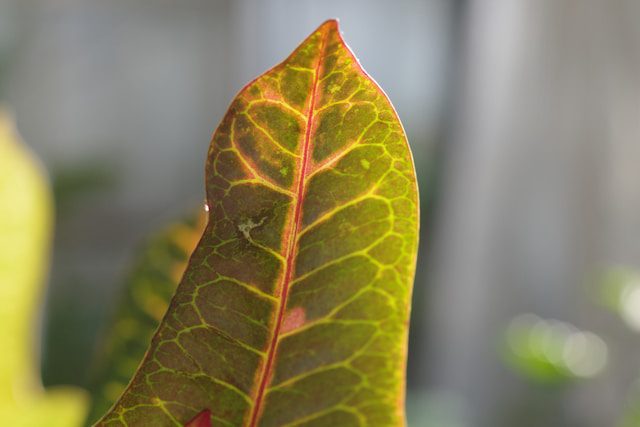
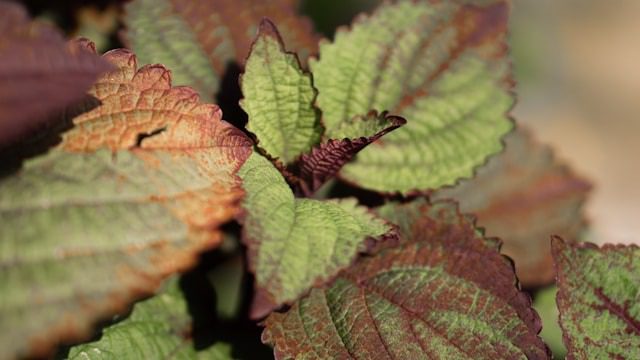
Brown leaf tips are your plant’s way of sending a distress signal. They usually point to an environmental or care issue rather than a disease, which makes them much easier to address. The key is figuring out which factor is to blame, since several different conditions can produce the same brown-tip symptom. Let’s break them down one by one.
Low Humidity
Most popular houseplants, including pothos, peace lilies, spider plants, and calatheas, are native to tropical environments where humidity levels are high. Indoor air, especially during winter when heating systems run constantly, tends to be surprisingly dry. When the moisture in the air drops too low, the leaf edges and tips lose water faster than the roots can replace it, causing that familiar brown, crispy appearance.
How to Fix It
- Use a humidifier near your plants, especially in winter
- Group plants together to create a microclimate of higher humidity
- Place pots on a tray filled with water and pebbles (without letting the roots sit in water)
- Mist tropical plants lightly a few times a week
7 Easy Tips For Growing Plants Indoors
20 Top Air-Purifying Plants That Remove Toxins from Indoor Air
Inconsistent Watering: Too Much or Too Little
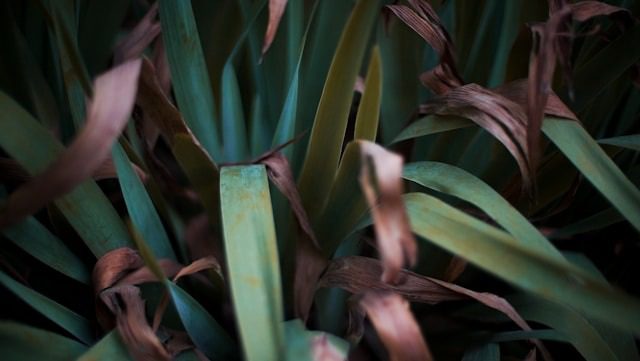
Both overwatering and underwatering can cause brown tips on houseplant leaves, which is what makes watering tricky to diagnose. Underwatering causes the leaf tips to dry out and crisp up as the plant rations water. Overwatering, on the other hand, damages the roots so they can no longer deliver moisture and nutrients to the leaves, leading to a similar brown-tip result but often with a softer, yellower appearance along the way.
How to Fix It
- Always check the soil moisture before watering by pressing your finger about an inch into the soil
- Water deeply and thoroughly, then allow the top layer to dry before watering again
- Ensure your pots have drainage holes to prevent root rot from standing water
Too Much Fertilizer: Salt Buildup in the Soil
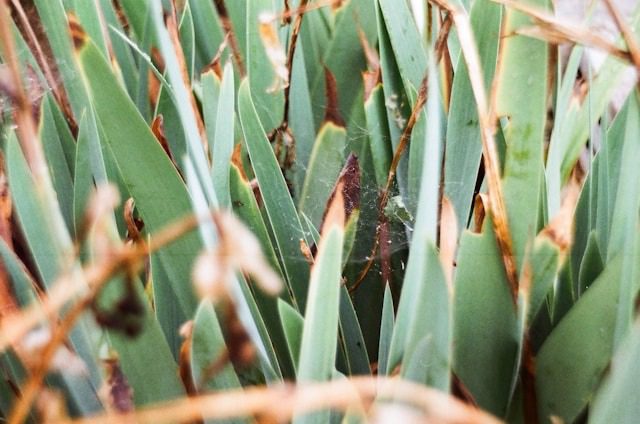
Over-fertilizing is a surprisingly common cause of brown tips on indoor plants. When you apply more fertilizer than the plant needs, excess mineral salts accumulate in the soil. These salts draw moisture away from the roots in a process called fertilizer burn, effectively dehydrating the plant from the inside out. You might notice a white crusty residue on the top of the soil or along the pot’s drainage holes, which is a telltale sign of salt buildup.
How to Fix It
- Flush the soil thoroughly by running water through the pot for several minutes to dissolve and drain excess salts
- Reduce fertilizing to once a month during the growing season and stop entirely in fall and winter
- Use a diluted, balanced liquid fertilizer instead of concentrated formulas
How to Fix Wrinkling Snake Plant Leaves
Water Quality
If you have been watering with straight tap water, that could be the reason your houseplant leaves are browning at the tips. Many municipal water supplies contain chlorine, fluoride, and other minerals that are harmless to humans but can be toxic to sensitive plants like spider plants, dracaenas, and peace lilies. Over time, these compounds build up in the soil and interfere with the plant’s ability to absorb water and nutrients.
How to Fix It
- Let tap water sit in an open container overnight before using it so chlorine can evaporate
- Switch to filtered or rainwater for sensitive plants
- Use a water filter pitcher specifically designed to remove fluoride and chlorine
Root Bound Plants and Repotting Stress
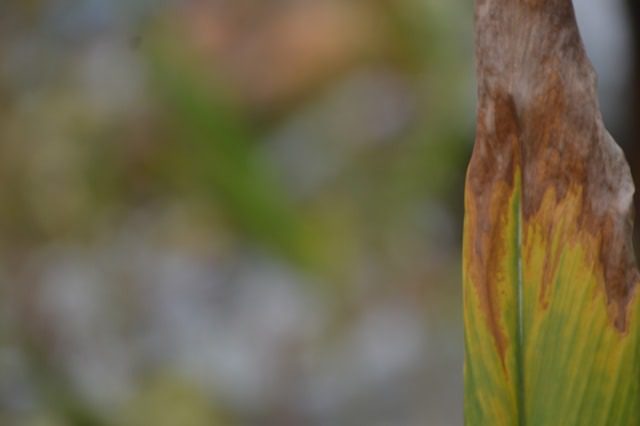
When a plant outgrows its pot, the roots become cramped and can no longer absorb enough water and nutrients to support the entire plant. This often results in brown tips on leaves, especially toward the top of the plant where nutrient delivery is hardest. Interestingly, the opposite situation, repotting into a pot that is too large, can also cause browning because excess soil retains moisture and leads to root rot.
How to Fix It
- Repot the plant into a container that is only one to two inches larger in diameter than the current pot
- Use fresh, well-draining potting mix when repotting
- After repotting, water the plant well and place it in indirect light to help it recover
Too Much Direct Sunlight or Heat Exposure
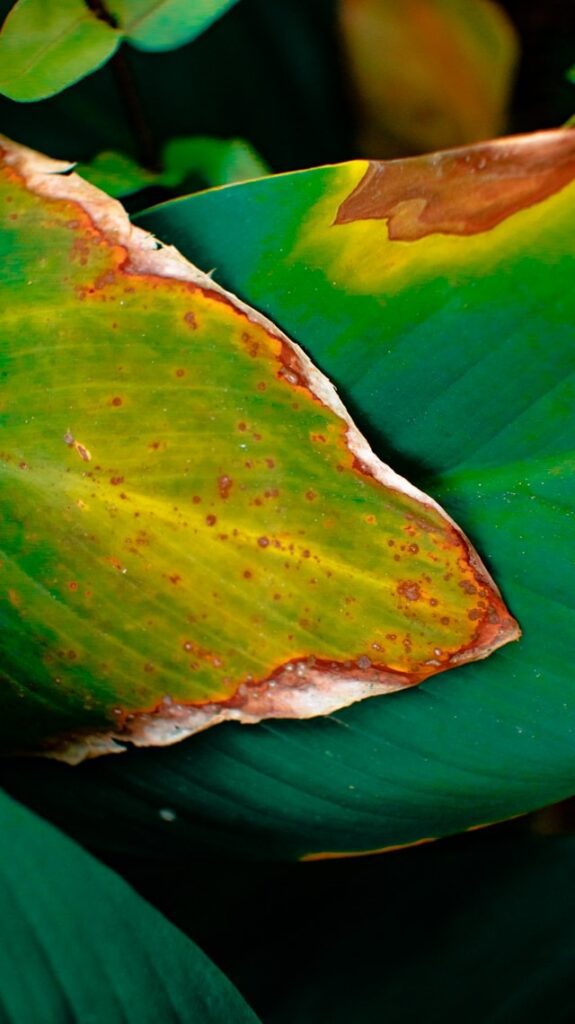
Placing a houseplant in direct, harsh sunlight or too close to a heat source can scorch the leaf tips. This type of brown tip tends to look more sun-bleached or burnt, and the damage is usually on the side of the leaf facing the light source. Plants positioned near south-facing windows, heating vents, or radiators are especially vulnerable to this kind of leaf tip burn.
How to Fix It
- Move the plant away from direct sun and place it in bright, indirect light instead
- Keep plants away from heating vents, radiators, and drafty windows
- Use a sheer curtain to filter intense afternoon sunlight coming through windows
Frequently Asked Questions (FAQ)
Q1: Should I cut off brown tips on houseplant leaves?
Yes, you can trim brown tips using clean, sharp scissors. Cut at a slight angle to mimic the leaf’s natural shape. This is purely cosmetic and will not harm the plant, but remember to address the underlying cause so new growth comes in healthy.
Q2: Can brown tips turn green again?
Unfortunately, once leaf tissue has turned brown and died, it cannot recover its green color. However, fixing the cause of the browning will prevent new leaves and growth from developing the same problem.
Q3: Why are my plant leaves turning brown at the tips after repotting?
Brown tips after repotting are usually caused by transplant shock. When a plant’s roots are disturbed, it temporarily struggles to absorb water properly. Give the plant bright indirect light, consistent watering, and avoid fertilizing for four to six weeks after repotting to let it recover.
Q4: Do brown tips mean my plant is dying?
Not at all. Brown tips are a sign of stress, not necessarily a death sentence for your plant. In most cases, the plant is healthy overall and just reacting to an environmental issue. Identify the cause, make the necessary adjustment, and your plant should continue growing well.
Q5: Which houseplants are most prone to brown tips?
Plants that are naturally sensitive to humidity, water quality, or temperature fluctuations are most prone to brown tips. These include spider plants, peace lilies, dracaenas, calatheas, and Boston ferns. These plants thrive in higher humidity and do best with filtered or rainwater rather than straight tap water.