How to Grow Lavender from Cuttings Successfully
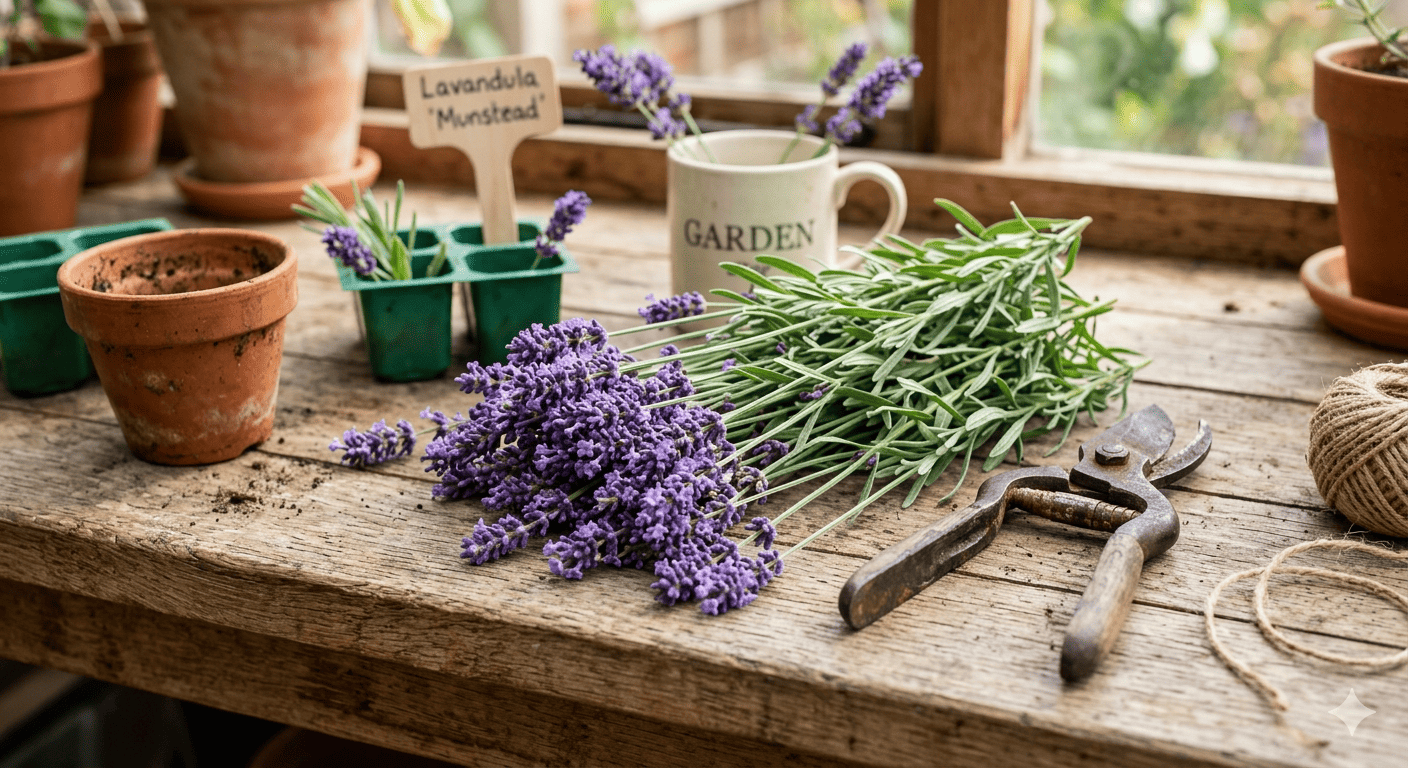
There is something deeply satisfying about growing a new lavender plant for free, and knowing how to grow lavender from cuttings is one of the best gardening skills you can pick up. Whether you want to fill your garden with those gorgeous purple blooms, create a fragrant hedge, or simply multiply a plant you already love, propagating lavender from cuttings is surprisingly straightforward once you know the right steps.
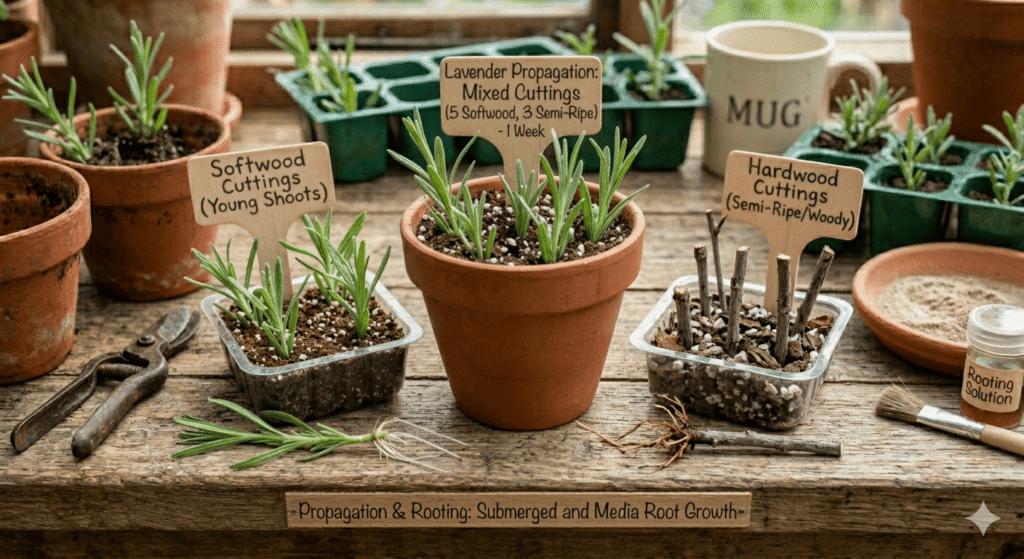
The good news? You do not need to be an expert gardener. With the right timing, a healthy parent plant, and a little patience, you can go from a single stem to a thriving new lavender plant in just a few weeks. This guide walks you through everything, from choosing the right cutting to caring for your new plant as it establishes roots.
Why Propagate Lavender from Cuttings?
Growing lavender from seed is possible, but it is notoriously slow and inconsistent. Cuttings, on the other hand, produce a genetically identical clone of your parent plant, meaning you get the same colour, fragrance, and growth habit every time. It is also much faster: a cutting can be ready to plant out in as little as four to six weeks.
Key benefits of lavender cutting propagation include:
- Cost-effective: multiply your plants for free.
- Reliable results: clones retain all traits of the parent plant.
- Faster growth compared to seed propagation.
- Ideal for filling large garden spaces or gifting to friends.
Best Time to Take Lavender Cuttings
Timing matters more than most gardeners realise. The best time to take lavender cuttings is in late spring or early summer, typically between May and July in the Northern Hemisphere. During this period, the plant produces fresh new growth that is perfect for rooting. These young, green shoots are called softwood cuttings, and they root faster than older, woodier stems.
Softwood vs Hardwood Lavender Cuttings
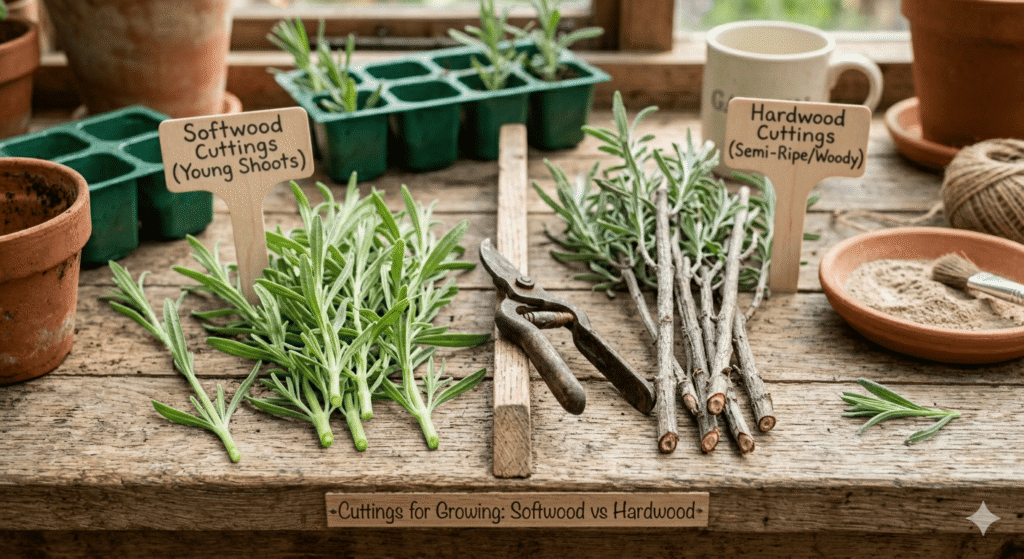
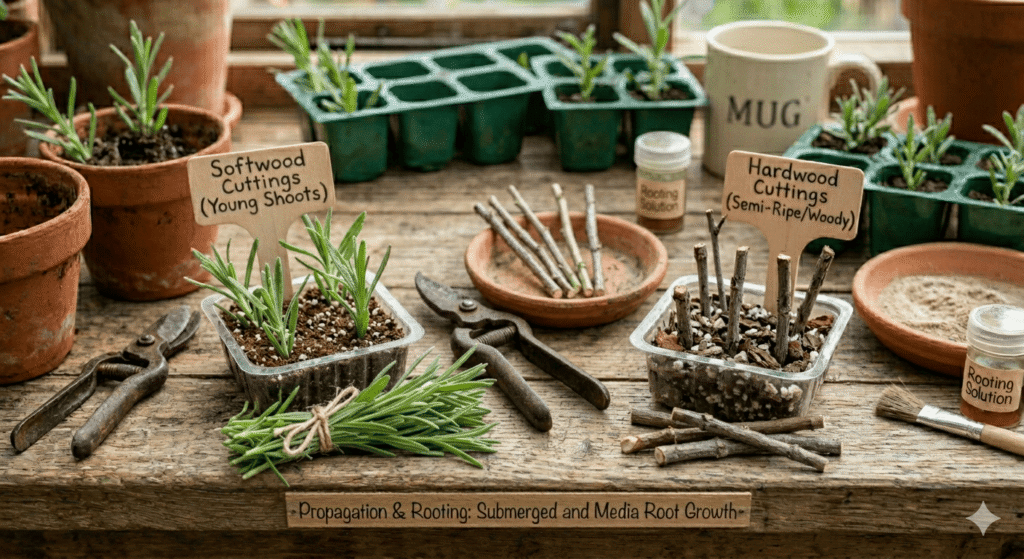
Softwood cuttings (spring/summer): Taken from the tips of new green growth. These root quickly, usually within three to four weeks, making them the preferred choice for most gardeners.
Hardwood cuttings (autumn): Taken from older, more mature stems after flowering. These take longer to root but can be a great option if you missed the summer window. Avoid taking cuttings in winter, as the cold slows root development significantly.
20 Best Indoor Plants for Low Light Apartments
How to Grow Lavender from Cuttings: Step-by-Step Guide
What You Will Need
- A healthy, established lavender plant.
- Clean, sharp secateurs or scissors.
- Small pots or seed trays.
- Well-draining compost mixed with perlite or grit.
- Rooting hormone powder or gel (optional but helpful).
- A clear plastic bag or propagator lid.
The Propagation Process
Step 1: Choose Your Cutting
Select a healthy, non-flowering stem from the current season’s growth. You want a stem that is green and flexible, around 8 to 10 cm long. Avoid stems with flower buds, as the plant will put energy into blooming rather than rooting.
Step 2: Prepare the Cutting
Using clean, sharp scissors, cut just below a leaf node. Strip the leaves from the lower two-thirds of the stem, leaving only a few leaves at the top. This reduces moisture loss and encourages the plant to focus its energy on root development.
Step 3: Apply Rooting Hormone
Dip the cut end into rooting hormone powder or gel. While lavender can root without it, rooting hormone speeds up the process and increases your success rate, especially for hardwood cuttings.
Step 4: Plant the Cutting
Insert the cutting into a small pot filled with a mix of compost and perlite. The gritty, well-draining mix is key; lavender detests sitting in soggy soil. Water gently and allow excess water to drain.
Step 5: Create a Humid Environment
Cover the pot with a clear plastic bag or place it in a propagator. This traps humidity and prevents the cutting from drying out before it can root. Keep it out of direct harsh sunlight to avoid overheating.
Step 6: Wait and Watch
Place the pot somewhere warm and bright, around 18 to 21 degrees Celsius. Check every few days, misting lightly if the compost begins to dry out. Most softwood lavender cuttings will show signs of rooting within three to six weeks.
How Long Does It Take Lavender Cuttings to Root?
One of the most common questions is how long does it take lavender cuttings to root. For softwood cuttings taken in summer, expect roots to form in three to six weeks. Hardwood cuttings can take eight to twelve weeks. You will know your cutting has rooted when you see fresh new growth appearing at the tips, or when you feel gentle resistance if you give the stem a very light tug.
Once rooted, allow the plant to grow on in its pot for another few weeks before transplanting it to a larger container or directly into the garden.
Growing Lavender from Cuttings in Pots
If you are short on garden space or dealing with heavy clay soil, growing lavender from cuttings in pots is a brilliant solution. Lavender actually thrives in containers as long as you use the right compost and ensure excellent drainage. Choose a terracotta pot with drainage holes and fill it with a loam-based compost mixed with grit or perlite.
Place your potted lavender in the sunniest spot you have, ideally six hours of direct sunlight per day. Water sparingly once established; lavender is drought-tolerant and will actually suffer if overwatered.
Tips to Make a Jade Plant Bloom
Lavender Cuttings Not Rooting? Common Problems and Fixes
If your lavender cuttings are struggling, here are the most likely culprits:
- Too much water: Lavender cuttings rot easily in waterlogged compost. Always use free-draining mix.
- Too little light: Cuttings need bright, indirect light to develop roots. A windowsill or greenhouse works well.
- Wrong time of year: Cuttings taken in winter or during very cold snaps are much less likely to root.
- Dirty tools: Always use clean, sharp tools to prevent spreading disease to the cut stem.
- Old parent plant: Choose cuttings from young, vigorous growth on a healthy plant.
Frequently Asked Questions
Can you propagate lavender from a cutting in winter?
It is possible but not recommended. Lavender cuttings taken in winter root very slowly due to the cold and low light levels. If you must propagate in winter, use a heated propagator and grow lights to boost your chances of success.
Can I root lavender cuttings in water?
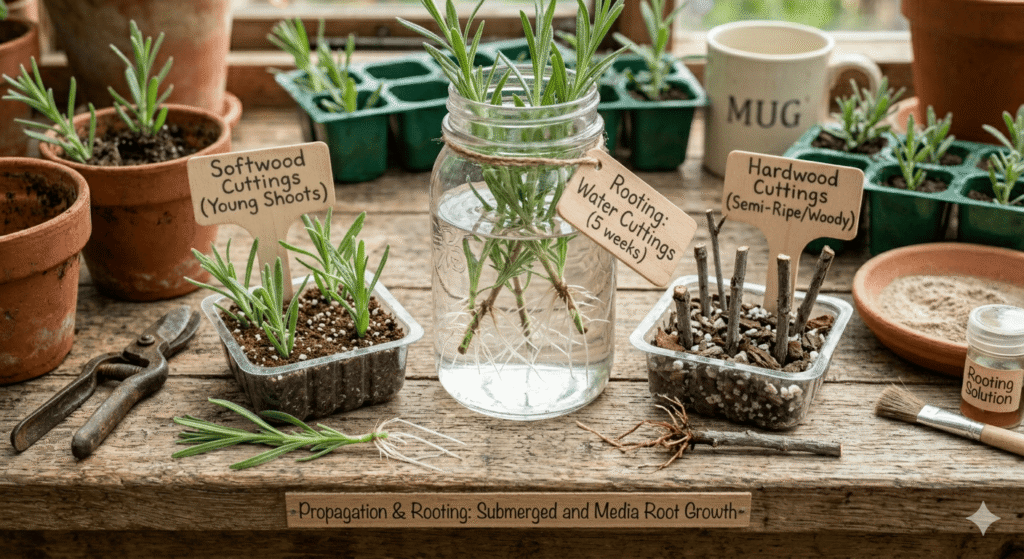
While some gardeners have had success rooting lavender cuttings in water, it is not the most reliable method. Lavender prefers a well-draining growing medium like compost mixed with perlite. Water rooting can lead to soft, fragile roots that struggle when transferred to soil.
How do I keep lavender cuttings alive until planting?
If you cannot pot your cuttings immediately, wrap the stems in a damp paper towel and place them in a sealed plastic bag. Store them in a cool, shaded spot and pot them within 24 hours to maximise success.
How many cuttings can I take from one lavender plant?
You can take several cuttings from a single healthy plant without causing harm. Aim to take no more than one third of the plant’s new growth at any one time, and always cut cleanly to avoid damaging the parent plant.
Do lavender cuttings need rooting hormone?
Rooting hormone is not strictly necessary, but it does increase your success rate, especially for hardwood cuttings or if you are propagating in cooler months. It is an inexpensive addition that is well worth using.