How to Start Seeds Indoors: Best Seed Starting Kits for Beginners
There is something incredibly satisfying about watching a tiny seed push through the soil and unfurl its first leaves. But if you have ever tried starting seeds indoors without the right setup, you know it can quickly turn into a frustrating mess of leggy seedlings, mold, and mystery failures. The good news? With the right seed starting kits for beginners, the process becomes a whole lot simpler and a whole lot more rewarding.
In this guide, we will walk you through everything you need to know about how to start seeds indoors, including what tools and supplies you need, how to use a seed starting kit, and what to look for when shopping for one. Whether you are growing vegetables, herbs, or flowers, this article has you covered from planting day all the way to transplant time.
How to Start a Container Vegetable Garden
Why Start Seeds Indoors?
Starting seeds indoors gives you a significant head start on the growing season. Instead of waiting until the last frost has passed to sow directly in your garden, you can get your plants growing weeks or even months earlier in a warm, controlled environment.
Indoor seed starting is especially useful for crops with long growing seasons like tomatoes, peppers, and eggplants, which need time to develop before outdoor temperatures are warm enough. It also lets you choose from a much wider variety of plants than what you would typically find as transplants at your local garden center.
What Is a Seed Starting Kit and What Should It Include?
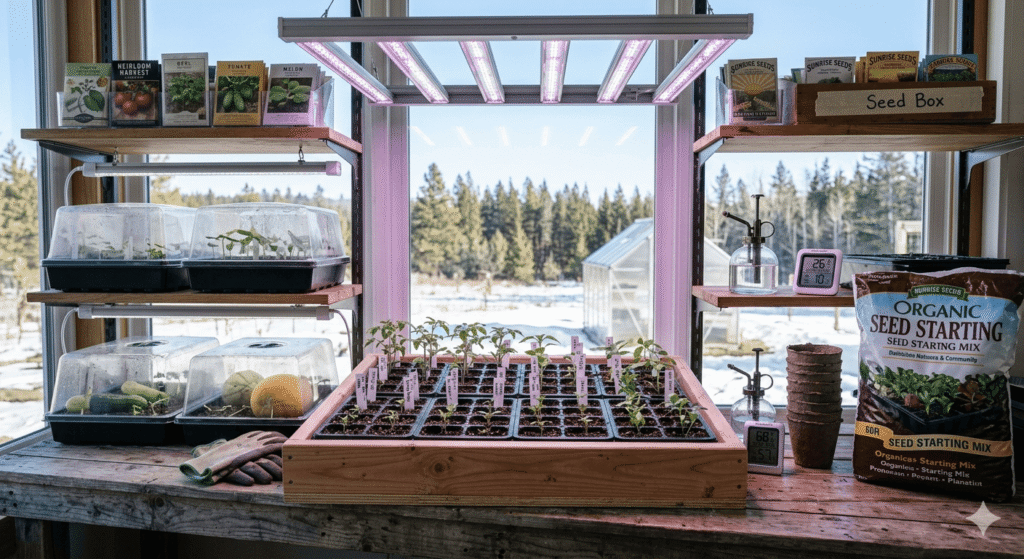
A seed starting kit is essentially an all-in-one indoor gardening setup designed to create the ideal conditions for germination. Most seed starting kits for beginners include a combination of the following:
- Seed trays or cell packs to hold the growing medium
- A humidity dome to trap warmth and moisture during germination
- A grow light or heat mat to stimulate root and shoot development
- Seed starting soil mix or peat pellets
- A base tray for watering and drainage
Not all kits include every component, so it is worth knowing exactly what you are buying before you commit. As a beginner, you want a kit that at minimum includes a tray, a dome, and some form of growing medium.
Tips To Grow Basil Indoors Using Seeds
What to Look for in the Best Seed Starting Kits for Beginners
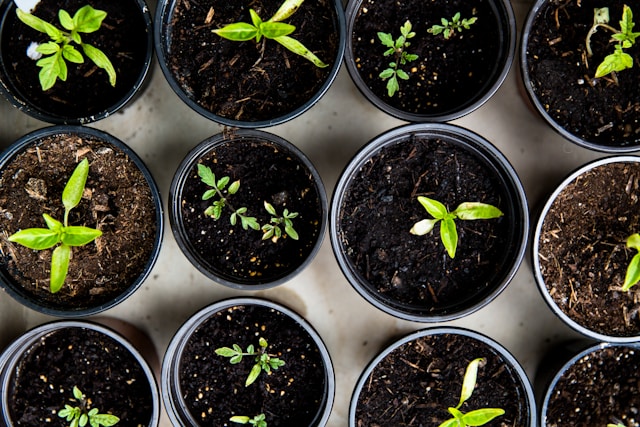
With so many options on the market, choosing the right indoor seed starting kit can feel overwhelming. Here are the key features to focus on:
Cell Size and Number of Cells
Smaller cells (like 72-cell trays) are great for herbs and flowers that do not mind being transplanted early. Larger cells give vegetables like tomatoes and peppers more room to develop before they need to move up to a bigger container. For most beginners, a 36 to 72 cell tray offers a good balance.
Humidity Dome Height
A tall dome (around 7 inches) gives seedlings more room to grow before the dome needs to come off. Short domes are fine for the germination phase but can restrict early growth if you forget to remove them. Look for domes with adjustable vents so you can manage airflow as your seedlings develop.
Grow Lights and Heat Mats
One of the biggest mistakes beginner gardeners make is relying solely on a sunny windowsill for light. Most homes simply do not have windows that provide enough light intensity for strong, compact seedling growth. Grow lights for seedlings solve this problem by delivering consistent, full-spectrum light right where your plants need it.
A heat mat raises the soil temperature to the optimal germination range of 70 to 85 degrees Fahrenheit, which can dramatically speed up how quickly seeds sprout. Many premium seed starting kits now come with both, making them well worth the investment for serious beginners.
Best Grow Lights for Succulents
How to Start Seeds Indoors: Step-by-Step Guide
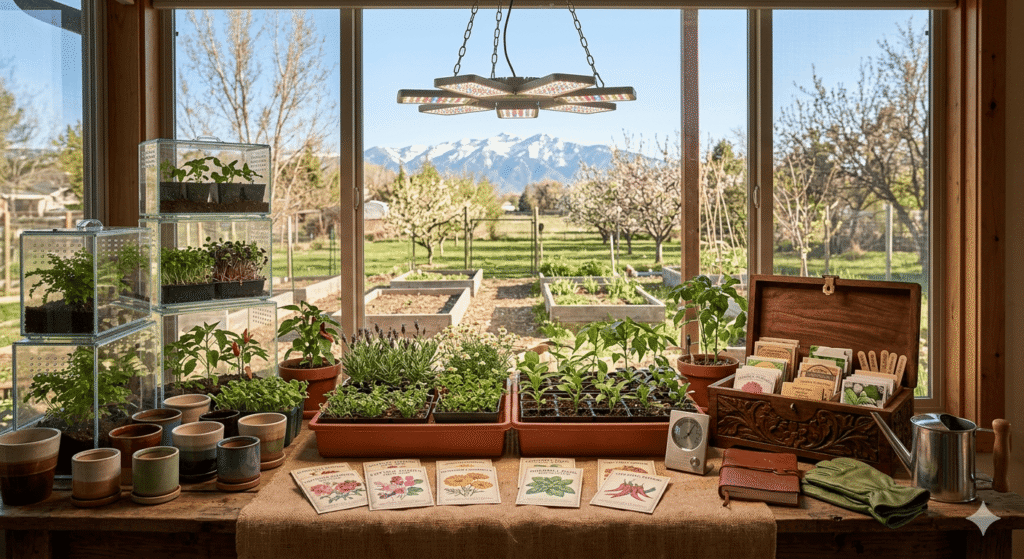
Once you have your kit ready, the process of germinating seeds indoors is straightforward. Follow these steps to give your seeds the best possible start:
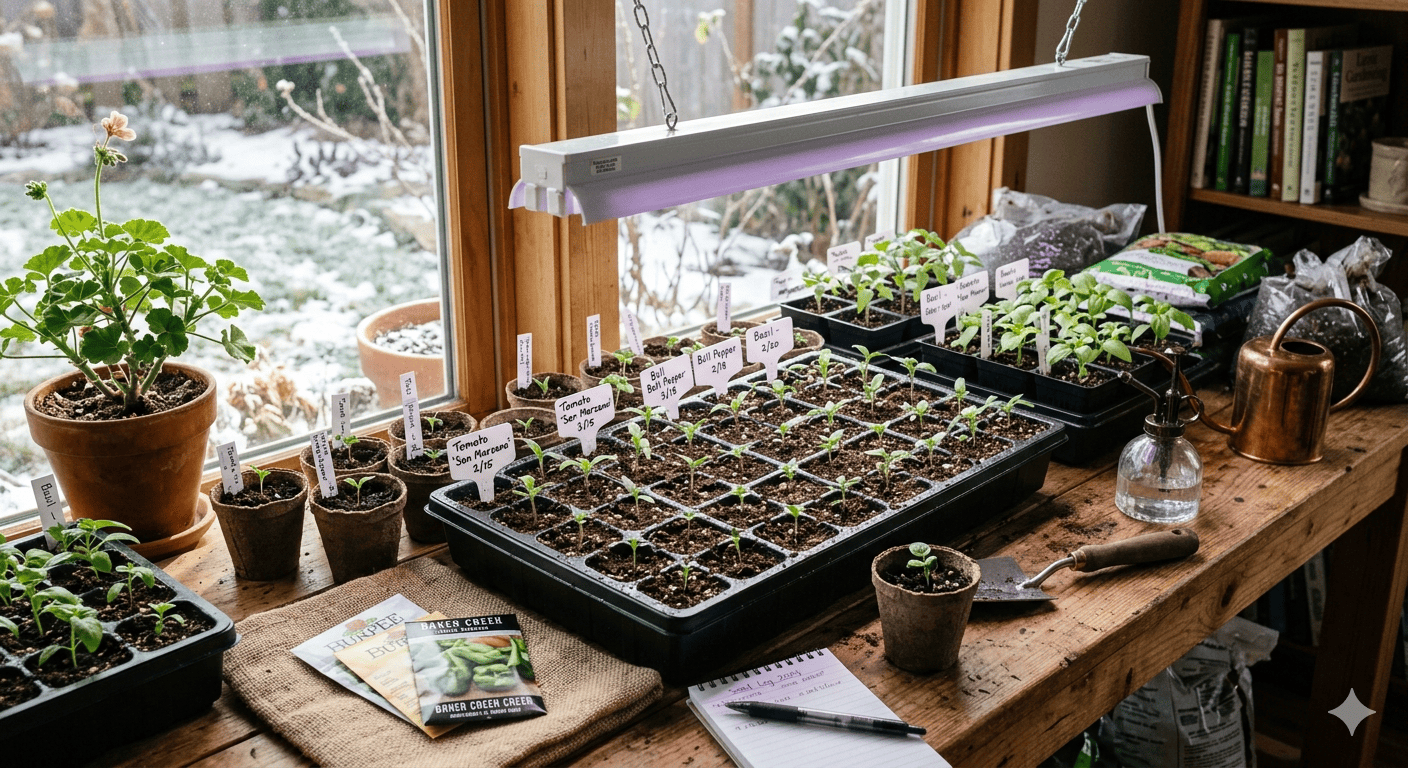
- Fill your seed trays with a pre-moistened seed starting soil mix. Regular potting soil is too dense and can compact around delicate roots.
- Sow your seeds at the depth recommended on the seed packet, usually two to three times the diameter of the seed.
- Place the humidity dome over your tray and set it on a heat mat if you have one.
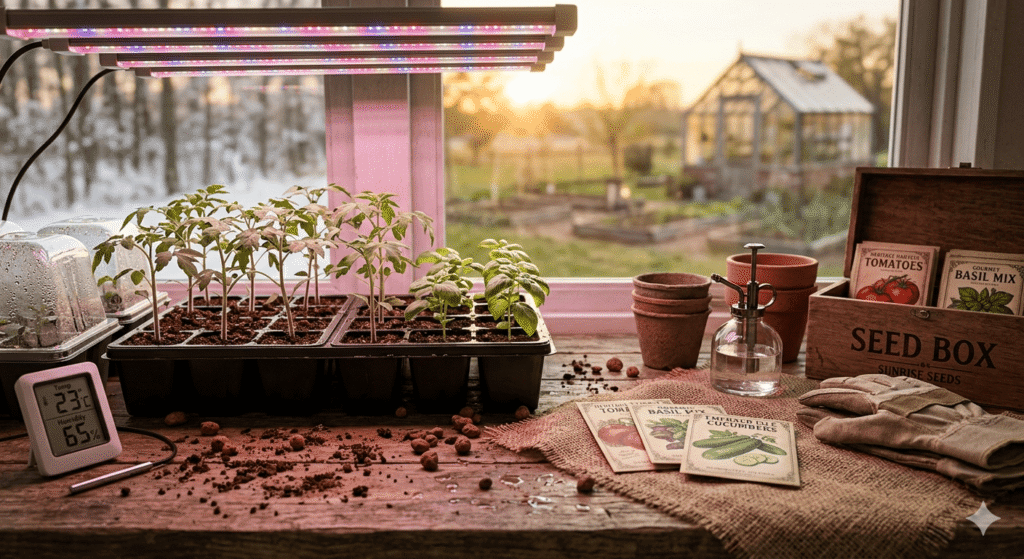
- Once sprouts appear, move the tray under your grow light and remove or vent the dome to allow air circulation.
- Water from the bottom by filling the base tray and letting the soil absorb moisture upward. This helps prevent damping off, a fungal condition that kills young seedlings.
- Begin hardening off seedlings about a week before transplanting by gradually exposing them to outdoor conditions.
When to Start Seeds Indoors: Timing Your Planting Schedule
Knowing when to start seeds indoors is just as important as having the right supplies. The general rule is to count backward from your area’s average last frost date. Most vegetables should be started 6 to 10 weeks before that date, though this varies by crop.
For example, if your last frost date is April 15, you would start tomatoes and peppers in late February or early March.
Faster-growing plants like lettuce, basil, and marigolds can be started just 4 to 6 weeks before transplanting. Always check your seed packets for specific guidance, and refer to your local cooperative extension office for frost date information tailored to your region.
15 Moisture Absorbing Bathroom Plants That Keep Your Space Fresh and Mold-Free
Choosing the Best Soil Mix for Starting Seeds Indoors
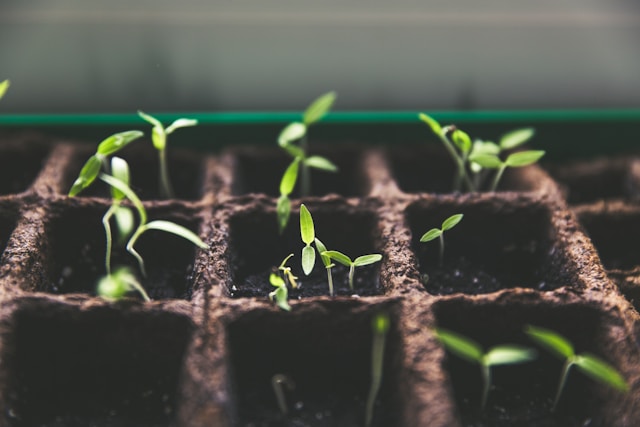
The right seed starting soil mix can make or break your results. Unlike standard potting mixes, seed starting mixes are specifically formulated to be lightweight, sterile, and well-draining. This prevents compaction, reduces disease pressure, and allows fragile roots to spread without resistance.
Look for mixes that contain a blend of peat moss or coco coir, perlite, and sometimes vermiculite. Avoid anything labeled as “garden soil” or “topsoil” for indoor seed starting, as these tend to be too heavy and can harbor pathogens. Some beginner kits come with peat pellets, which are a convenient alternative that expand with water and eliminate the need for separate soil.
The Best Cheap LED Grow Lights For Growing Vegetables
Common Seed Starting Mistakes (And How to Avoid Them)
Even with the best seed starting supplies, a few common mistakes can set your seedlings back. Here is what to watch out for:
- Overwatering: Keep the soil moist but not soggy. Excess moisture is the leading cause of damping off in seedlings.
- Not enough light: Seedlings need 14 to 16 hours of light daily. A south-facing window alone is rarely enough without supplemental grow lights.
- Starting too early: Bigger is not always better when it comes to seedlings. Plants that sit in trays too long become rootbound and stressed.
- Skipping hardening off: Moving seedlings straight from indoors to full sun outdoors is a shock to their system. A week of gradual acclimatization makes a big difference in transplant survival.
Factors to consider when choosing a grow light
Frequently Asked Questions
1. What do I need to start seeds indoors as a beginner?
At minimum, you need seed trays, a humidity dome, seed starting soil mix, and a warm spot with consistent light. A grow light and heat mat are optional but highly recommended for better germination rates and stronger seedlings.
2. How many weeks before the last frost should I start seeds indoors?
It depends on the crop. Tomatoes and peppers typically need 8 to 10 weeks before the last frost, while faster crops like lettuce or basil only need 4 to 6 weeks. Always refer to your seed packet and your local frost date for the most accurate planting schedule.
3. Can I use regular potting soil for starting seeds indoors?
It is not recommended. Regular potting soil is too dense and can compact around delicate roots, restrict drainage, and introduce pathogens. A purpose-made seed starting soil mix is lightweight and sterile, giving seeds the ideal environment to germinate and establish.
4. Why are my seedlings leggy and falling over?
Leggy seedlings are almost always caused by insufficient light. When seedlings do not get enough light, they stretch toward the source, becoming tall and weak. Move your tray closer to a grow light or increase the light duration to 14 to 16 hours per day to correct this.
5. How do I prevent damping off in my seedlings?
Damping off is a fungal disease that causes seedlings to collapse at the soil line. To prevent it, avoid overwatering, use a sterile seed starting mix, ensure good air circulation by venting the humidity dome once seeds sprout, and water from the bottom rather than overhead.