Potting Soil vs Garden Soil: Which One Should You Buy?
If you have ever stood in the gardening aisle staring at bags of potting soil and garden soil wondering what the difference actually is, you are not alone. It is one of the most common questions beginner and experienced gardeners ask, and the answer matters more than you might think. Grab the wrong bag and your plants could end up sitting in waterlogged, compacted soil that stunts their growth or even kills them.
In this guide, we break down exactly what sets potting soil vs garden soil apart, when to use each one, and how to pick the right option for your specific plants and growing situation. Whether you are filling pots on your balcony, building a raised bed, or refreshing your backyard flower beds, this article will help you make the right call.
Bottom Watering Plants: The Complete Guide
What Is Potting Soil?
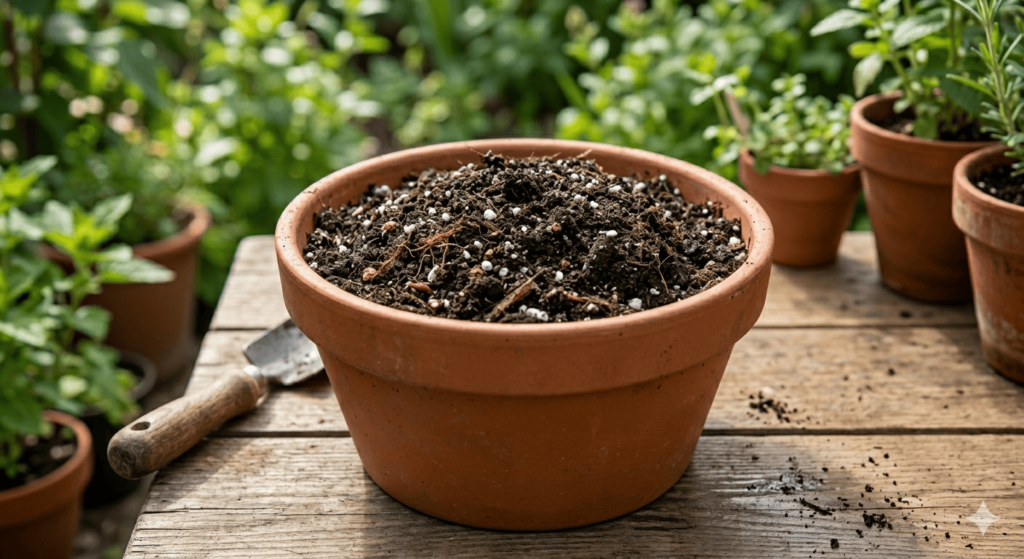
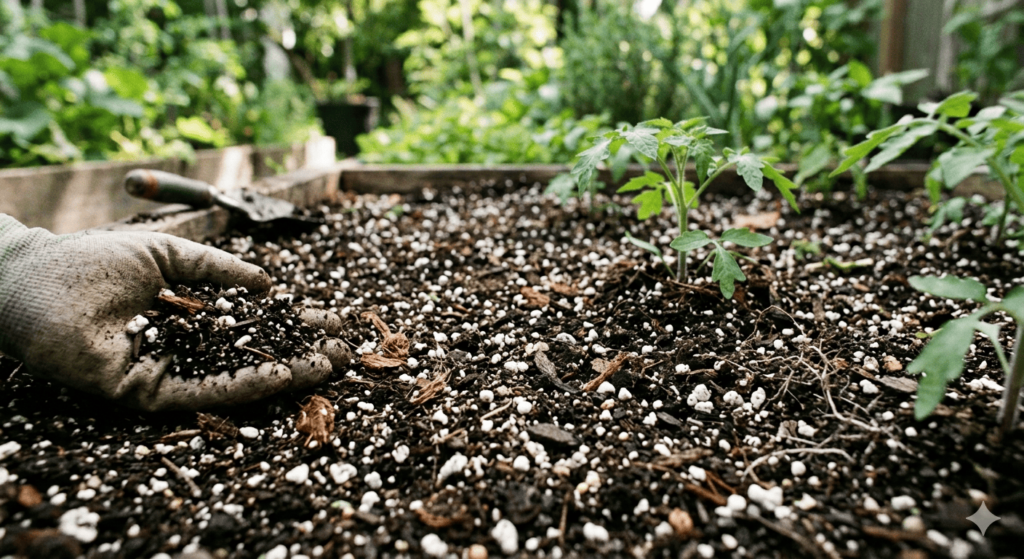
Potting soil, sometimes called potting mix, is a specially formulated growing medium designed for plants in containers, pots, and planters. Despite what the name suggests, it often contains little to no actual soil. Instead, it is typically made up of lightweight materials like peat moss or coco coir, perlite, vermiculite, and sometimes bark or compost.
The key feature of potting soil is its ability to drain well while still retaining enough moisture for plant roots. Because containers do not have the natural drainage that garden beds do, potting mix is engineered to prevent waterlogging and to allow oxygen to reach the roots.
Potting soil is ideal for:
- Houseplants and indoor container plants
- Outdoor pots, planters, and window boxes
- Hanging baskets
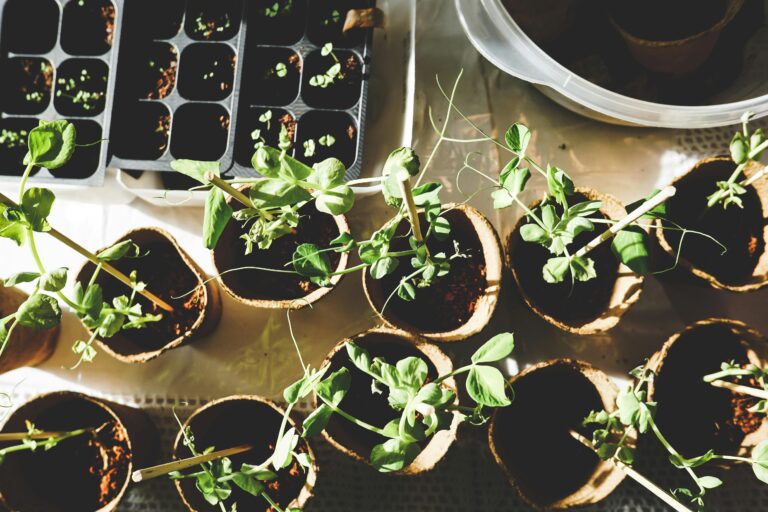
- Seed starting (use a fine-textured variety)
- Vegetables grown in containers
How to Care for a Bird of Paradise Plant Indoors
What Is Garden Soil?
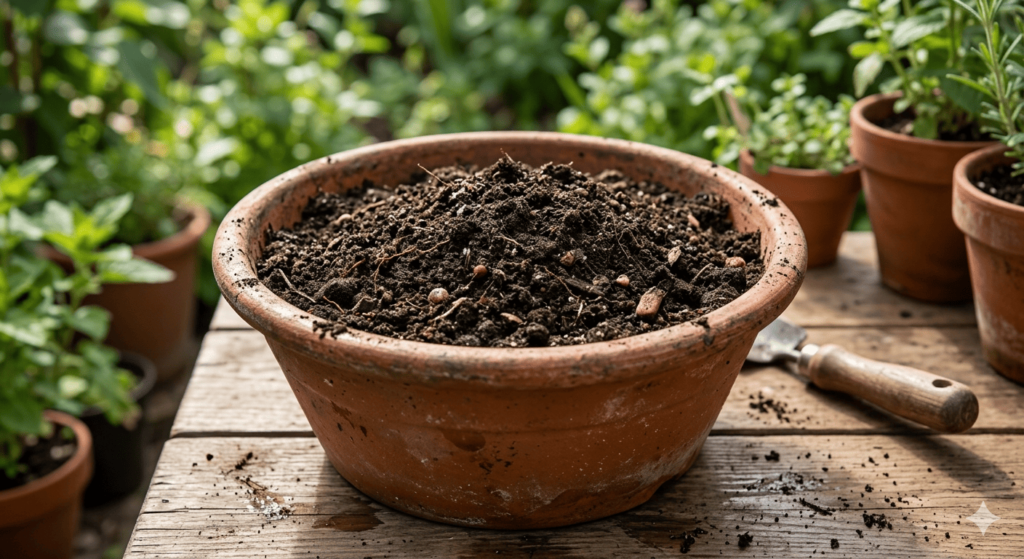
Garden soil is a blend meant to be mixed into existing ground soil in outdoor beds. It is usually made from a combination of topsoil, compost, and other organic matter. Unlike potting soil, garden soil is heavier and denser, which makes sense because it is designed to improve the structure of native ground soil rather than stand on its own.
When worked into your garden beds, garden soil adds nutrients and improves the texture of sandy or clay-heavy soil. It is not designed to be used alone, and it performs best when mixed into the existing earth at a ratio of roughly one part garden soil to two parts native soil.
Garden soil works best for:
- In-ground flower beds and vegetable gardens
- Amending and improving native soil
- Raised garden beds when blended with other materials
- Lawn repair and topdressing
7 Common Repotting Mistakes You Must Avoid for Healthy Plants
Potting Soil vs Garden Soil: Key Differences
Understanding the differences between these two products will save you money, frustration, and dead plants. Here is a quick comparison:
| Feature | Potting Soil | Garden Soil |
| Weight | Light and airy | Heavy and dense |
| Drainage | Excellent | Moderate |
| Best use | Containers and pots | In-ground beds |
| Contains actual soil? | Usually not | Yes (topsoil-based) |
| Used alone? | Yes | No, blend with native soil |
| Nutrients | Often pre-fertilized | Relies on compost blend |
Can You Use Garden Soil in Pots Instead of Potting Soil?
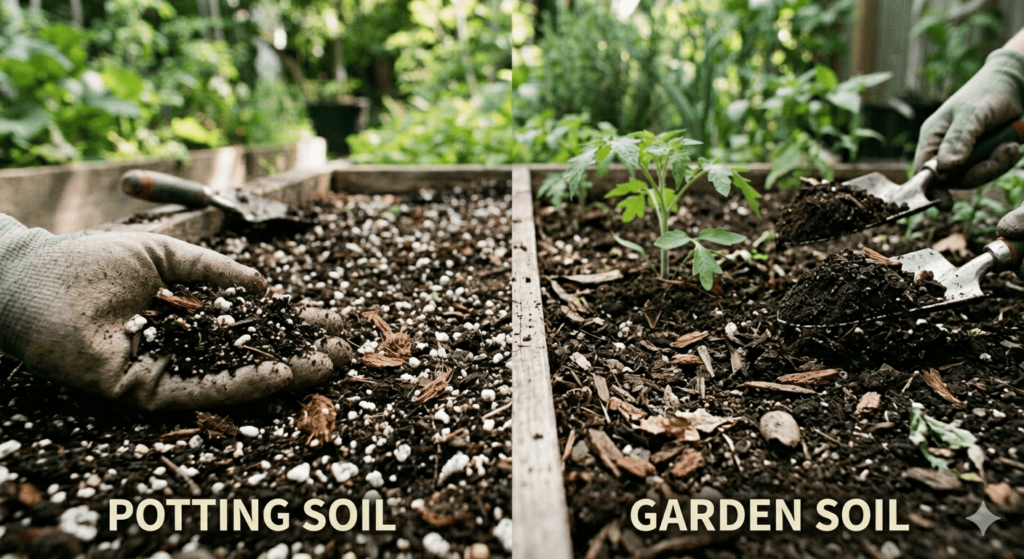
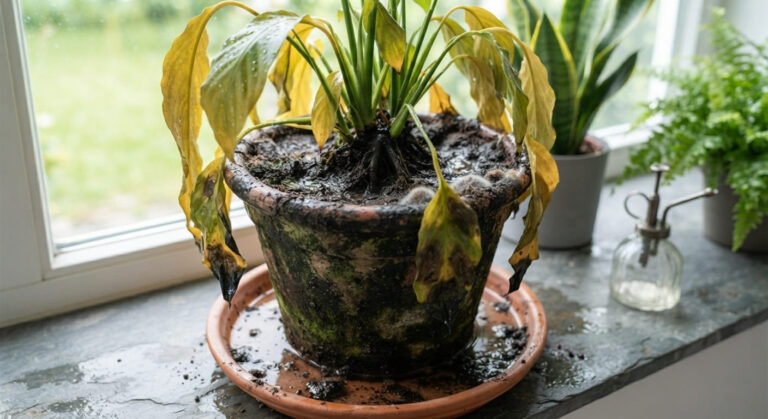
This is one of the most searched questions on this topic, and the short answer is: technically yes, but you really should not. Garden soil is far too heavy and dense for container use. When packed into a pot, it compacts quickly, reduces drainage, and suffocates plant roots by cutting off their oxygen supply.
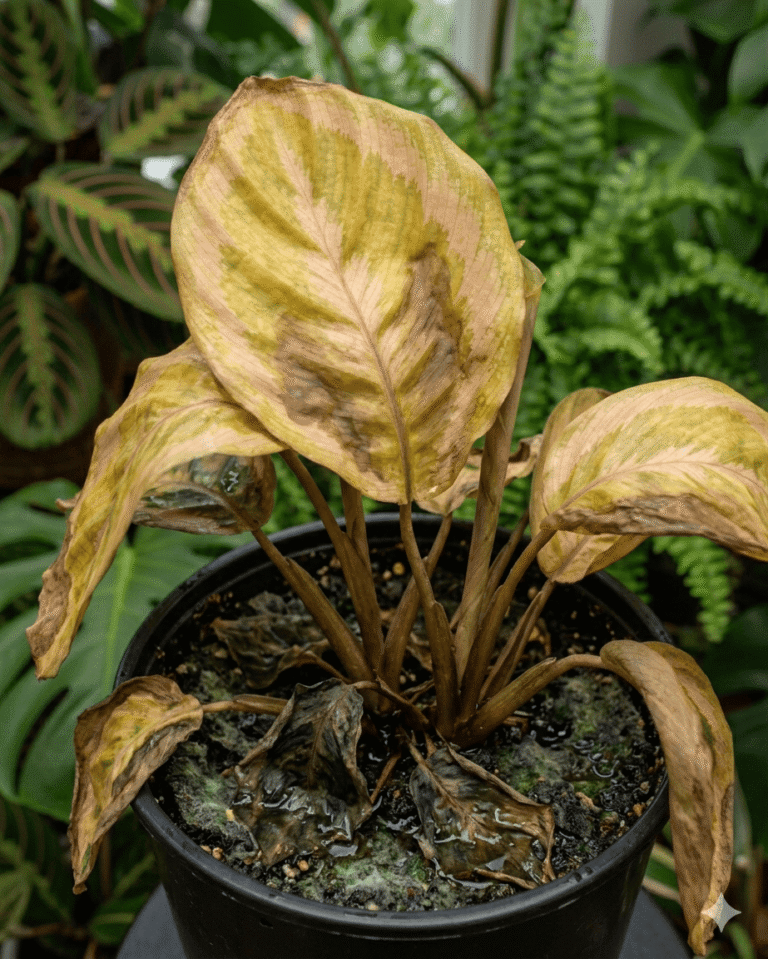
If you use garden soil in pots, you will likely notice your plants struggling to grow, wilting even after watering, or showing signs of root rot. The soil simply cannot drain fast enough in a confined space, and the roots end up sitting in stagnant water.
If you are in a pinch and want to stretch your garden soil, you can mix it with potting mix and perlite at a 1:1:1 ratio to improve drainage, but for best results, stick with proper potting soil for your containers.
How to Grow Peonies in Garden Flower Beds
How to Choose the Right Soil for Your Situation
For Indoor Plants and Outdoor Containers
Always choose potting soil or potting mix. Look for a product that is well-draining and lightweight. If you are growing cacti or succulents, look for a mix specifically designed for those plants since they need even faster drainage. For vegetables in containers, choose a potting mix that is enriched with fertilizer to support heavy feeding crops like tomatoes and peppers.
For In-Ground Garden Beds
Garden soil is your best friend here. Work it into your existing ground soil to improve texture and add organic matter. Pair it with compost for the best results. If your native soil is particularly sandy or clay-heavy, you may want to amend with multiple bags over a growing season to gradually improve its quality.
For Raised Garden Beds
Raised beds sit in a middle ground. They need a blend that is lighter than pure garden soil but more substantial than standard potting mix. A popular and effective recipe is one third potting mix, one third compost, and one third topsoil or garden soil. This gives you excellent drainage, strong nutrient content, and enough weight to anchor larger plants.
7 Flower Pairs That Thrive in Hanging Baskets
Is Potting Soil the Same as Potting Mix?
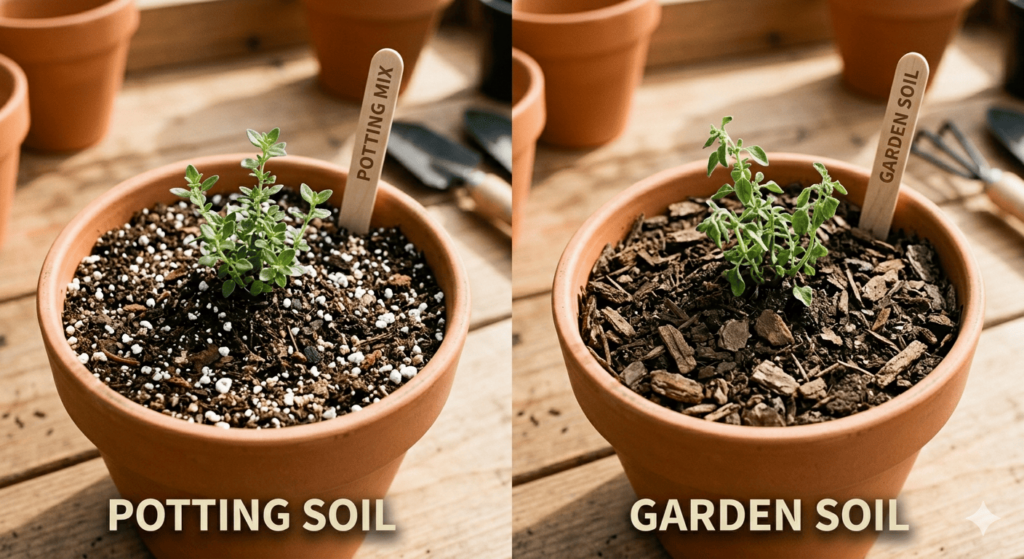
Many gardeners use the terms potting soil and potting mix interchangeably, and for most home gardening purposes, they are similar enough to treat as the same thing. However, there is a subtle distinction. Some manufacturers distinguish between the two by saying potting soil contains some actual soil or sand, while potting mix is 100% soilless.
The soilless version tends to be lighter and more sterile, which can actually be an advantage for indoor plants since it reduces the risk of introducing pests or diseases. Always read the product label to know exactly what you are getting.
What Causes Root Rot In Orchids?
Tips for Getting the Most from Your Soil
- Refresh potting soil in containers every one to two years since it breaks down and loses its structure over time.
- Add slow-release fertilizer granules to potting mix if you are growing vegetables or heavy feeders.
- Never reuse potting soil from a plant that died from disease without sterilizing it first.
- Improve drainage in pots by adding a layer of perlite to the bottom before filling with potting soil.
- Store unused bags of soil in a sealed container to prevent them from drying out or attracting pests.
Frequently Asked Questions
Can I mix potting soil with garden soil?
Yes, you can mix potting soil with garden soil, but it is best to do so intentionally. A common blend for raised beds is equal parts potting mix, compost, and garden soil. Avoid using this mix in containers as the garden soil can still cause compaction issues even when diluted.
What happens if I use garden soil in pots?
Using garden soil in pots leads to poor drainage, compaction, and root suffocation. Your plants may wilt, fail to grow properly, or develop root rot. Always use a designated potting soil or potting mix in containers for the best results.
Is potting soil the same as topsoil?
No, potting soil and topsoil are not the same. Topsoil is actual earth from the ground, used to fill large areas or level ground. Potting soil is a manufactured, lightweight growing medium designed for containers. They serve very different purposes.
How often should I replace potting soil in my containers?
Potting soil should be refreshed or replaced every one to two years. Over time, it loses its structure, becomes compacted, and depletes its nutrients. Refreshing it keeps your container plants healthy and thriving.
Which soil is best for vegetable container gardening?
For vegetables in containers, use a high-quality potting mix that is enriched with fertilizer. Look for mixes labeled for vegetables or tomatoes, as these are formulated to support the heavy nutrient demands of edible plants grown in confined spaces.