String of Pearls Plant Dying? Here’s Why
If you’ve found yourself staring at a shriveling, yellowing, or completely lifeless String of Pearls and wondering what went wrong, you’re not alone. This stunning trailing succulent is notoriously tricky to keep alive, and many plant parents watch their String of Pearls plant dying despite their best efforts. The good news? In most cases, the problem is fixable once you understand what this unique plant actually needs.
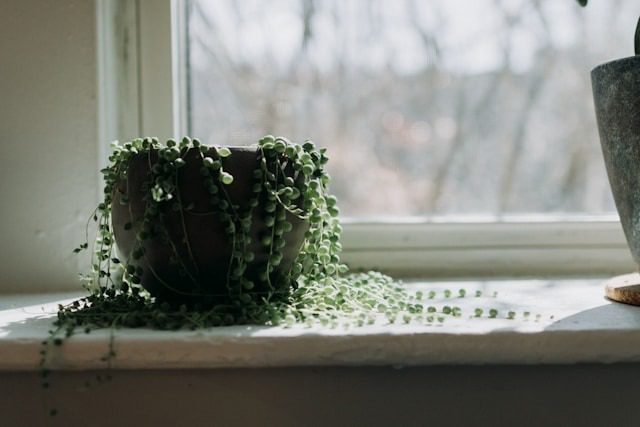
Let’s break down the most common reasons your Senecio rowleyanus keeps struggling, and how to turn things around for good.
Understanding the String of Pearls
Before diving into what’s killing your plant, it helps to understand its natural habitat. String of Pearls is native to the dry, rocky regions of Southwest Africa. In the wild, it grows in partial shade under shrubs, not in full blazing sun, and survives long dry spells with minimal watering. That background matters a lot when it comes to string of pearls plant care.
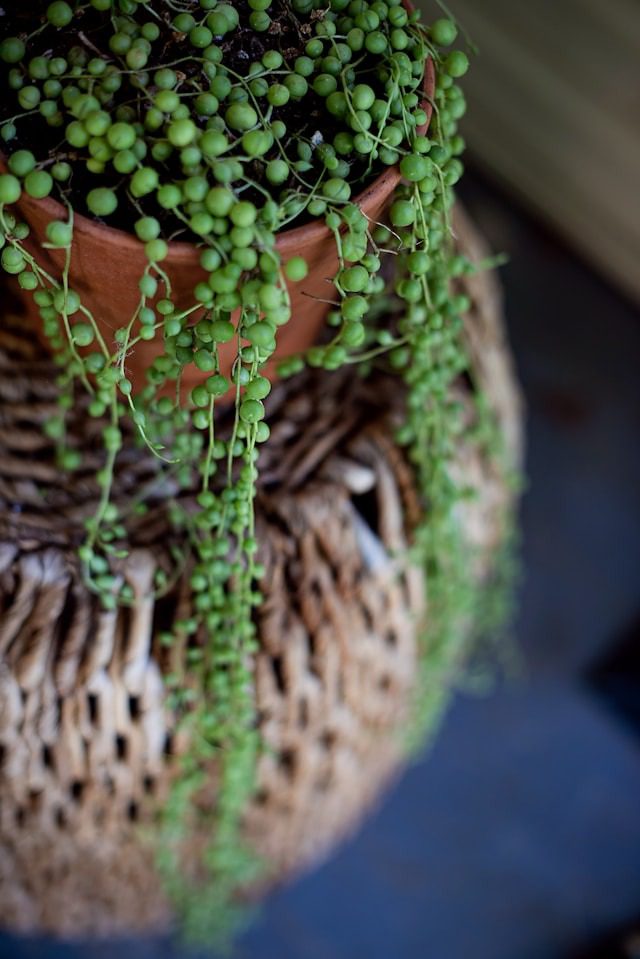
The round, bead-like leaves (those gorgeous “pearls”) are actually water storage vessels. When the plant is healthy, they’re plump and firm. When something is off, they’re the first to show it.
15 Best Indoor Plants for Cold Temperatures
Common Reasons Your String of Pearls Plant Keeps Dying
1. Overwatering Is the Number One Killer
String of pearls overwatering is by far the most common reason this plant fails. Because it’s a succulent, it doesn’t need frequent watering, and sitting in soggy soil leads directly to string of pearls root rot, which is almost always fatal if caught too late.
Signs of overwatering include:
- Mushy, translucent pearls
- Brown and mushy stems near the soil
- A foul smell coming from the pot
- Yellowing or dropping pearls
Fix: If you want to know how to fix overwatered string of pearls, start by removing the plant from its pot, trimming any black or mushy roots, and repotting in fresh, dry, well-draining soil. Then hold off on watering for at least a week.
How to Care for a String of Turtles Plant
2. Underwatering Causes Shriveling Pearls
On the flip side, too little water causes the string of pearls leaves shriveling and falling off. If the pearls start looking wrinkled and deflated rather than plump, your plant is thirsty. A good rule of thumb: water thoroughly when the top inch or two of soil is completely dry, then let it drain fully.
Learning how often to water string of pearls indoors depends on your climate, pot size, and season, but every 10 to 14 days during the growing season is a reasonable starting point.
7 Common Repotting Mistakes You Must Avoid for Healthy Plants
3. Wrong Soil Is Setting Your Plant Up to Fail
Using regular potting mix is one of the biggest string of pearls plant care mistakes to avoid. Standard soil holds too much moisture and doesn’t drain fast enough. The best soil for string of pearls plant is a well-draining succulent or cactus mix, ideally amended with perlite or coarse sand to improve drainage even further. The roots should never sit in water.
4. Too Much or Too Little Light
String of pearls sunlight requirements indoors can be a bit confusing. This plant loves bright light, but direct harsh afternoon sun can scorch the delicate pearls. At the same time, too little light causes string of pearls drooping, poor growth, and weak, stretched-out stems. The sweet spot is a spot with bright, indirect light for most of the day, such as near an east or west-facing window. If you notice your string of pearls not growing and losing pearls, inadequate light is often the culprit.
5. Temperature Stress and Cold Drafts
Senecio rowleyanus care includes keeping the plant away from cold windows, air conditioning vents, and drafty areas. This plant thrives between 65 and 80 degrees Fahrenheit (18 to 27 degrees Celsius). Cold temperatures or sudden temperature swings can shock the plant and cause rapid deterioration. If you’re keeping it near a window during winter, make sure the leaves aren’t touching the cold glass.
ZZ Plant Care Guide: Tips for a Thriving Plant
How to Revive a Dying String of Pearls Plant
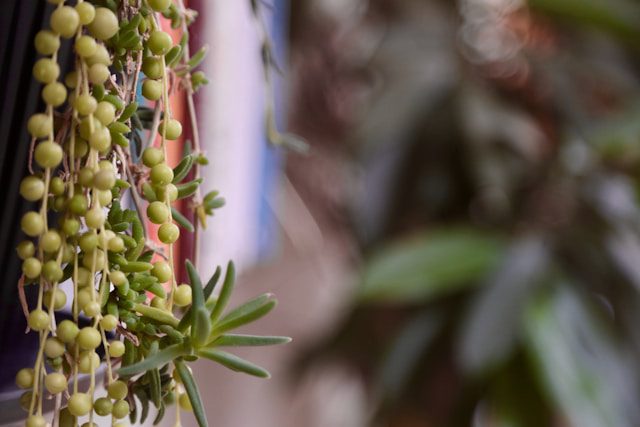
If your plant is still showing some signs of life, don’t give up. Here’s a quick action plan to revive a dying string of pearls plant:
- Check the roots for rot and trim away any black or mushy sections
- Repot in fresh, dry, well-draining succulent mix
- Move the plant to a bright spot with indirect light
- Wait a week before watering again, then water sparingly
- Keep temperatures stable and away from drafts
Even if most of the plant has died back, healthy strands can be propagated to start fresh. Simply lay a healthy cutting on moist soil and it will root within a few weeks.
String of Pearls Plant Care for Beginners: Tips to Keep It Thriving
If you’re just starting out with how to care for string of pearls, these foundational tips will set you up for success:
- Always use a pot with drainage holes. No exceptions.
- Water less than you think. When in doubt, wait another few days.
- Bright, indirect light is ideal. A spot near a window works great.
- Feed sparingly with a diluted liquid succulent fertilizer during spring and summer only.
- Repot every 1 to 2 years to refresh the soil and give roots room to grow.
How To Revive A Zebra Plant That’s Dying
Other String of Pearls Plant Problems to Watch For
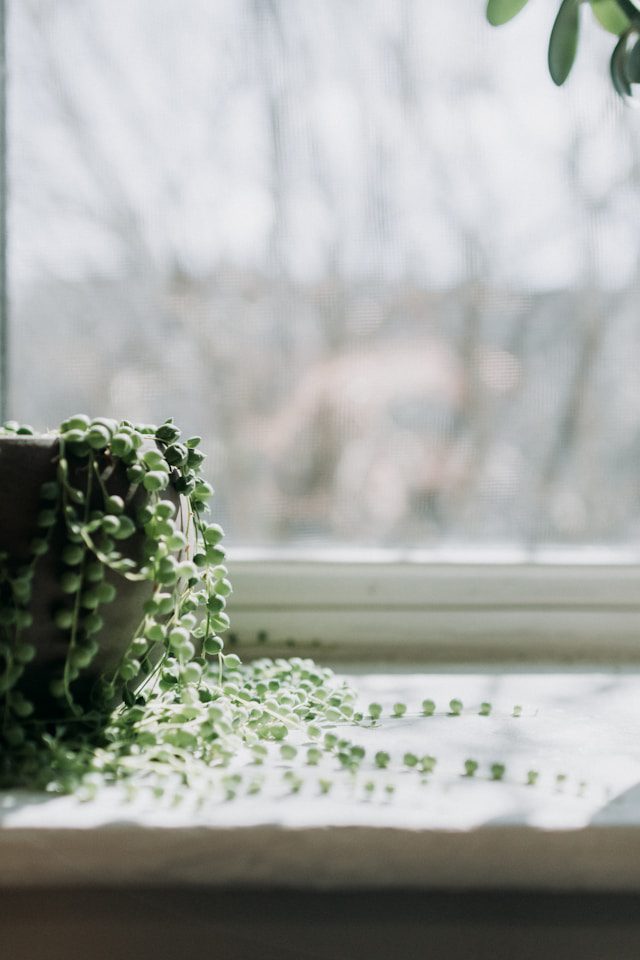
Beyond watering and light issues, here are a few more string of pearls plant problems that could be holding your plant back:
- Pests: Mealybugs and aphids love this plant. Look for white cottony residue or sticky leaves and treat with neem oil or insecticidal soap.
- String of Pearls Turning Yellow: This can signal overwatering, too much direct sun, or a nutrient deficiency.
- String of Pearls Drooping: Usually a sign of underwatering, insufficient light, or root damage. Check the soil moisture first.
How To Flush soil Without Overwatering plants
Frequently Asked Questions
Why does my string of pearls keep dying no matter what I do?
The most likely culprits are overwatering combined with poor drainage, or too little light. Check that your pot has drainage holes, your soil is fast-draining, and your plant is getting bright indirect light for several hours a day. Most cases of repeated failure trace back to one of these three issues.
Why are my string of pearls turning brown and mushy?
Brown and mushy pearls are a classic sign of overwatering and root rot. Remove the plant from its pot, inspect the roots, trim away any rotting sections, and repot in dry, fresh succulent mix. Reduce your watering frequency going forward.
How often should I water string of pearls indoors?
During spring and summer, watering every 10 to 14 days is usually sufficient. In fall and winter, reduce watering to once every 3 to 4 weeks. Always check the soil first; water only when the top inch or two feels completely dry.
Can I save a string of pearls with root rot?
Yes, if you catch it early enough. Remove the plant from the pot, cut away all mushy and black roots with sterilized scissors, let the roots air dry for a few hours, then repot in fresh dry succulent mix. Don’t water for about a week to allow the roots to settle.
Why are my string of pearls shriveling even though I’m watering it?
If the pearls are shriveling despite regular watering, the issue may be root rot preventing water uptake, compacted soil that isn’t absorbing water properly, or a pot without drainage causing water to pool at the bottom. Check the roots and soil condition rather than increasing watering.