Liquid Fertilizer vs Slow-Release Granules: Which Is Better for Houseplants?
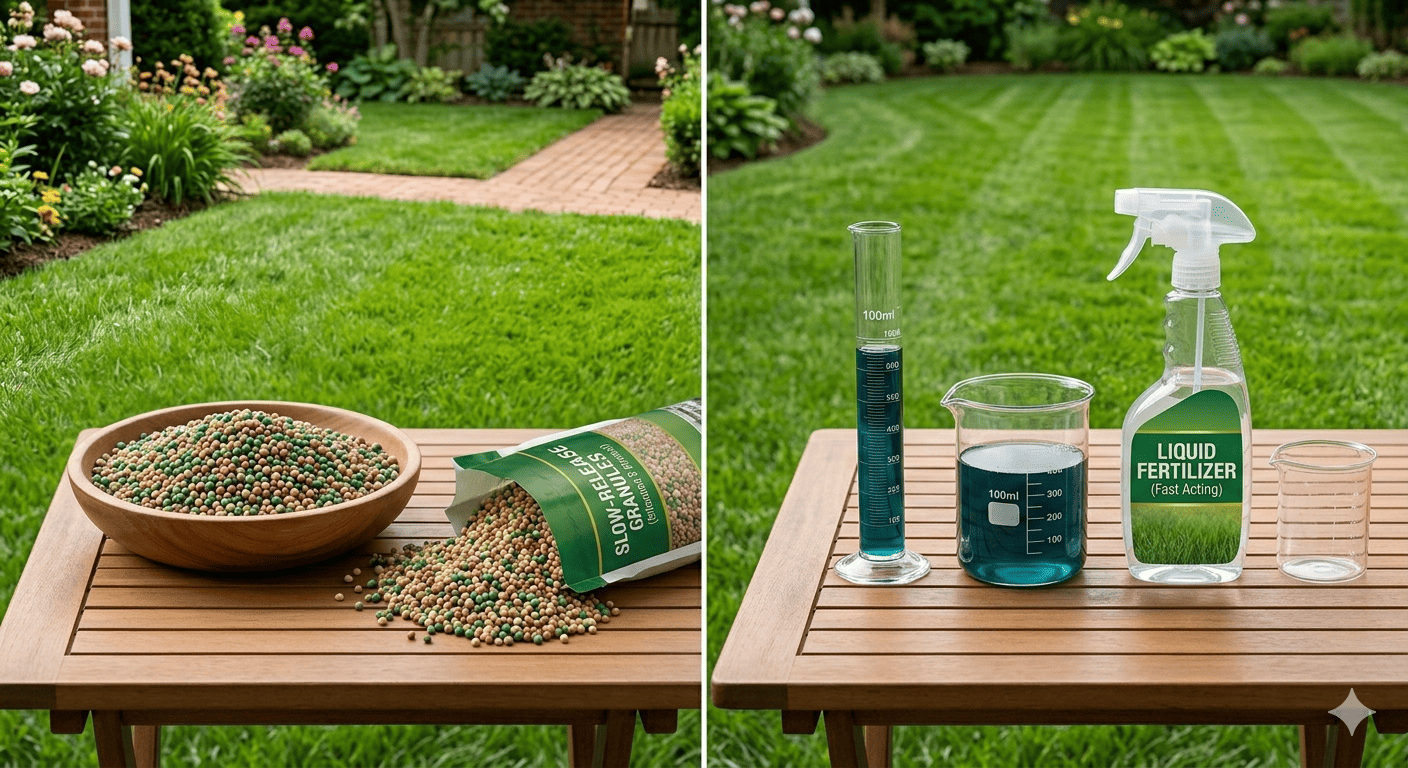
If you have ever stood in the gardening aisle staring at rows of fertilizer options, you are not alone. For houseplant owners, one of the most common dilemmas is choosing between liquid fertilizer vs slow-release granules for houseplants. Both promise lush, thriving plants, but they work in very different ways and suit different situations. In this article, we break down exactly how each type works, the pros and cons of each, and which one is the right choice for your indoor plants.
Whether you are a first-time plant parent or a seasoned indoor gardener, understanding the difference between these two fertilizer types will help you feed your plants smarter, not just more.
Bottom Watering Plants: The Complete Guide
Understanding the Basics: What Are These Fertilizers?
What Is Liquid Fertilizer for Houseplants?
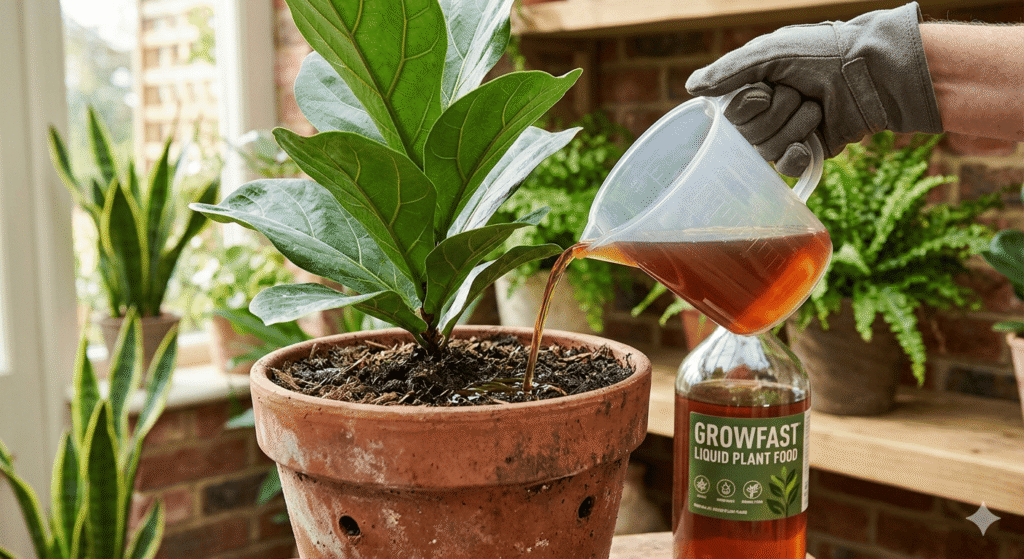
Liquid fertilizer is a concentrated or ready-to-use nutrient solution that you dilute with water and apply directly to the soil or as a foliar spray. It is fast-acting because nutrients are already dissolved and available for plant roots to absorb almost immediately. Most liquid fertilizers come with a clear NPK ratio on the label, for example 10-10-10, which tells you the percentage of nitrogen, phosphorus, and potassium in the mix.
Liquid fertilizer is popular among houseplant enthusiasts who want to see quick results and prefer having more control over how much and how often they feed their plants.
How Many Lumens do Plants Need?
What Are Slow-Release Granules for Indoor Plants?
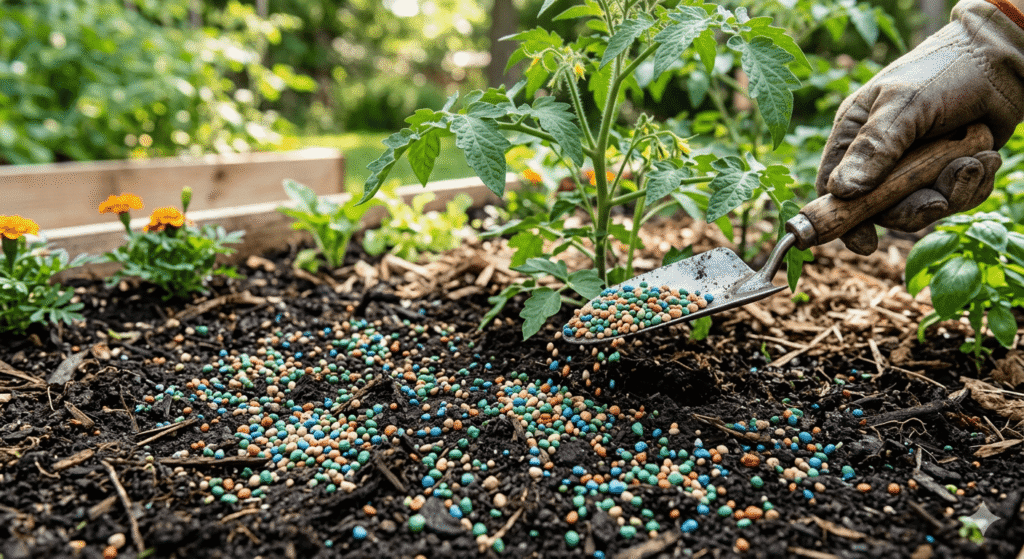
Slow-release fertilizer comes in pellet or granule form and is mixed into the potting soil or scattered on the surface. The granules are coated so that nutrients are released gradually over weeks or months as they break down from moisture and microbial activity. This means you apply them far less often, typically every two to six months depending on the product.
Slow-release granules are a low-maintenance option and are especially useful for plant owners who tend to forget regular fertilizing schedules.
How To Aerate The Soil In A Potted Plant
Pros and Cons of Each Type
Liquid Fertilizer: Pros and Cons
Pros:
- Fast-acting: nutrients are available to roots almost immediately after application.
- Precise control: you can adjust concentration and frequency based on plant needs.
- Great for troubleshooting: if a plant shows signs of nutrient deficiency, liquid fertilizer delivers a quick fix.
- Works well as a foliar spray for fast nutrient absorption through leaves.
- Easy to scale back during winter when plant growth slows down.
Cons:
- Requires frequent application, usually every one to two weeks during the growing season.
- Risk of fertilizer burn if the solution is too concentrated or applied to dry soil.
- Can be messy and time-consuming compared to granules.
- Effects are short-lived, meaning plants need consistent feeding to maintain growth.
Slow-Release Granules: Pros and Cons
Pros:
- Convenient and low-maintenance: apply once and let them work for months.
- Reduces the risk of over-fertilizing since nutrients release gradually.
- Ideal for busy plant owners or those new to fertilizing potted plants.
- Less chance of causing immediate fertilizer burn compared to concentrated liquids.
- Cost-effective over time since one application lasts much longer.
Cons:
- Slower to show results, which can be frustrating if your plant is struggling.
- Harder to adjust once applied, meaning if you over-apply, it is difficult to remove.
- Some granules are formulated for outdoor use and may not work well in small pots.
- Nutrient release depends on moisture and temperature, which can be unpredictable indoors.
How Much Sun Does an Azalea Plant Need?
Liquid Fertilizer vs Slow-Release Granules: Which Works Better for Houseplants?
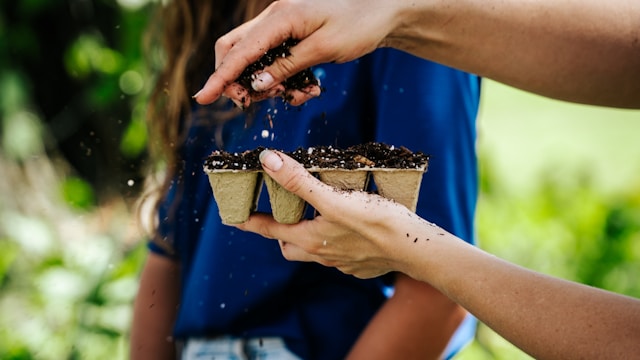
The honest answer is: it depends on your plants, your routine, and your goals. Neither is universally superior. Here is how to decide:
Choose Liquid Fertilizer If…
- You want fast results and enjoy being hands-on with your plant care routine.
- Your plant is showing signs of nutrient deficiency and needs a quick boost.
- You grow fast-growing houseplants like pothos, monsteras, or peace lilies that benefit from consistent feeding.
- You prefer fine-tuning the fertilizer concentration based on each plant’s individual needs.
Choose Slow-Release Granules If…
- You tend to forget regular fertilizing schedules and want a set-it-and-forget-it approach.
- You are just starting out with fertilizing potted plants and want a forgiving option.
- You have a large collection of houseplants and feeding each one individually is impractical.
- You are repotting your plants and want to mix nutrients directly into fresh soil.
Can You Use Both Liquid and Granule Fertilizers Together?
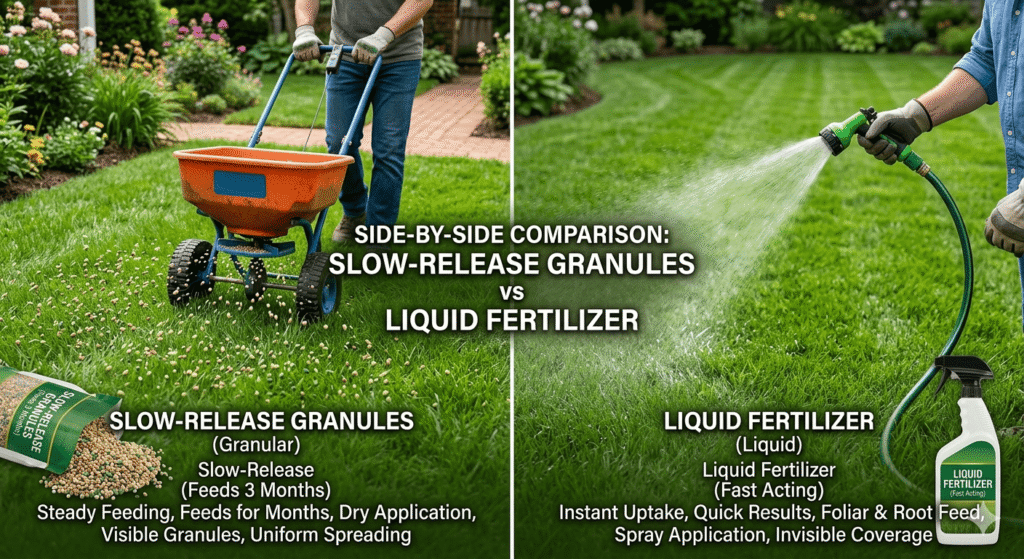
Yes, and many experienced houseplant growers actually recommend combining both. Using slow-release granules in the soil provides a steady background level of nutrients, while occasional liquid fertilizer top-ups give plants an extra boost during peak growing seasons in spring and summer.
If you go this route, just be careful not to overdo it. Fertilizer burn, which causes brown leaf tips and root damage, can happen when plants receive too many nutrients at once. Always follow label instructions and check your plant for signs of stress before adding more.
5 Best Gardening light meter For Plant Care
Tips for Fertilizing Houseplants Without Burning Roots
- Always water your plant before applying liquid fertilizer. Applying to dry soil concentrates nutrients and increases the risk of root burn.
- Start with a weaker concentration than the label suggests, especially for sensitive plants.
- Use fertilizer only during the active growing season (spring through early fall). Most houseplants need little to no fertilizer in winter.
- Flush the soil with plain water every few weeks to prevent nutrient salt buildup.
- Watch for signs of over-fertilizing such as yellowing leaves, brown leaf tips, or a white crusty residue on the soil surface.
How To Care For Domino Peace Lily.
Frequently Asked Questions
Is liquid fertilizer better than granules for indoor plants?
Not necessarily better, just different. Liquid fertilizer works faster and gives you more control over nutrient delivery, while granules are more convenient and release nutrients steadily over time. The right choice depends on your plant care habits and what your plants need most at a given time.
How often should I use liquid fertilizer on houseplants?
During the growing season (spring and summer), most houseplants benefit from liquid fertilizer every one to two weeks. In fall and winter, reduce feeding significantly or stop altogether, as most houseplants enter a slower growth phase and excess nutrients can build up and damage roots.
Can I use slow-release granules in indoor pots?
Yes, but choose a product specifically formulated for container or indoor use. Some outdoor granule fertilizers release nutrients too quickly or in amounts too high for small pots, which can cause fertilizer burn or nutrient buildup in the soil.
What are the signs that I am over-fertilizing my houseplants?
Common signs of over-fertilizing include brown or crispy leaf tips, yellowing leaves, wilting despite adequate watering, stunted growth, and a white crusty layer forming on the surface of the soil. If you notice any of these, flush the soil thoroughly with water and hold off on fertilizing for several weeks.
Can I use liquid fertilizer and slow-release granules at the same time?
Yes, you can use both together, but be cautious about the total nutrient load. Granules in the soil provide a steady background feed, while liquid fertilizer can be used occasionally for a targeted boost. Reduce the frequency and concentration of your liquid applications if you already have granules in the soil to avoid over-fertilizing.
How to Grow Rosemary in A Pot Indoors and Outdoors (Beginner-Friendly Guide)