Fresh kale from your own garden tastes sweeter, crunchier and far more vibrant than the tired bunches sitting in a store fridge. The best part is that it is also one of the easiest leafy greens you can raise yourself. If you have ever wondered how to grow kale from seed, this guide has you covered from start to finish.
You will learn how to pick the right variety, prepare your soil, sow the seeds, water and feed your plants, deal with pests and harvest leaves that keep coming back. Whether you have a backyard, a balcony or a few containers by the kitchen door, these practical kale growing tips will keep you in homegrown greens for months.
Why You Should Grow Kale at Home
Kale is packed with vitamins A, C and K, plus fibre and antioxidants, and it is one of the most forgiving crops a beginner can try. A single packet of seeds costs very little, and each plant gives you fresh leaves for many weeks. It handles light frost and takes up little room, which makes it perfect if you want to grow kale at home on a small plot.
Choose the Best Kale Varieties to Grow
Picking the right variety makes the whole process smoother. These three are reliable favourites for beginners.
Curly Kale
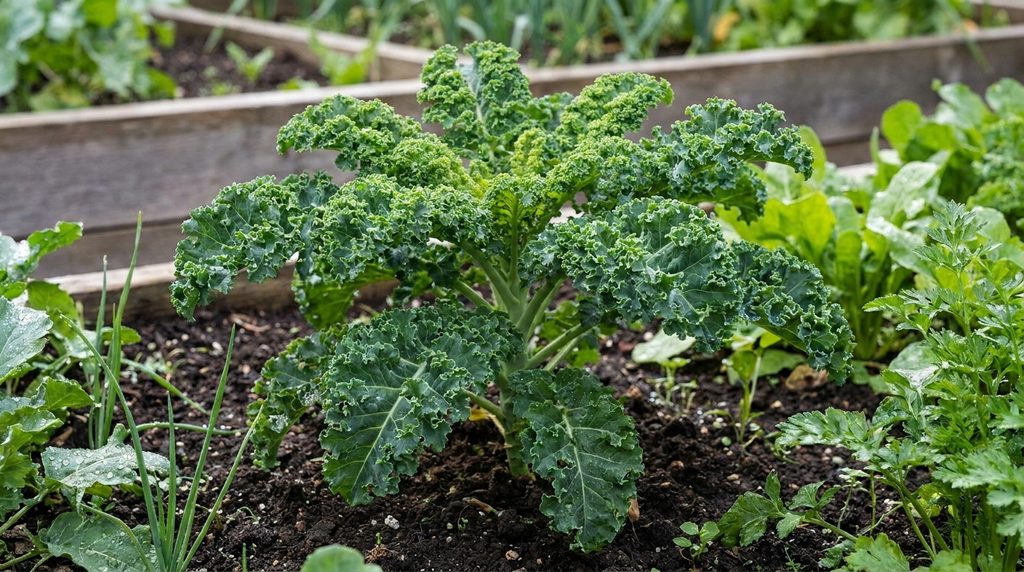
This is the classic ruffled kale. It is hardy, productive and holds up well in both heat and cold, so it is a safe first choice.
Lacinato (Dinosaur) Kale
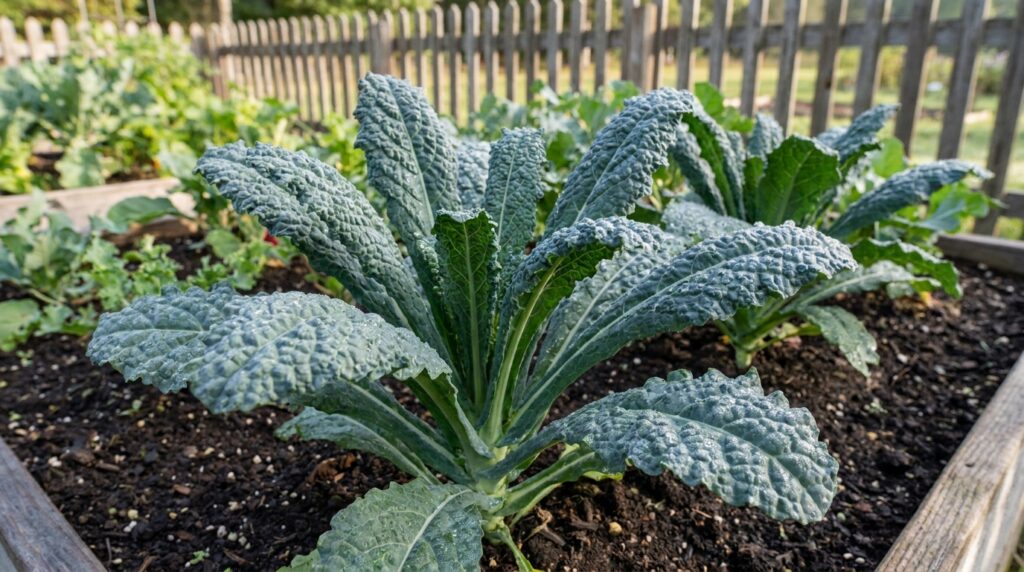
Lacinato has long, dark, bumpy leaves with a rich, slightly sweet flavour. It turns tender when cooked and also works well in salads.
Red Russian Kale
Red Russian has flat, oak shaped leaves with purple stems. It is mild, grows quickly and is excellent for picking as baby leaves.
When to Plant Kale
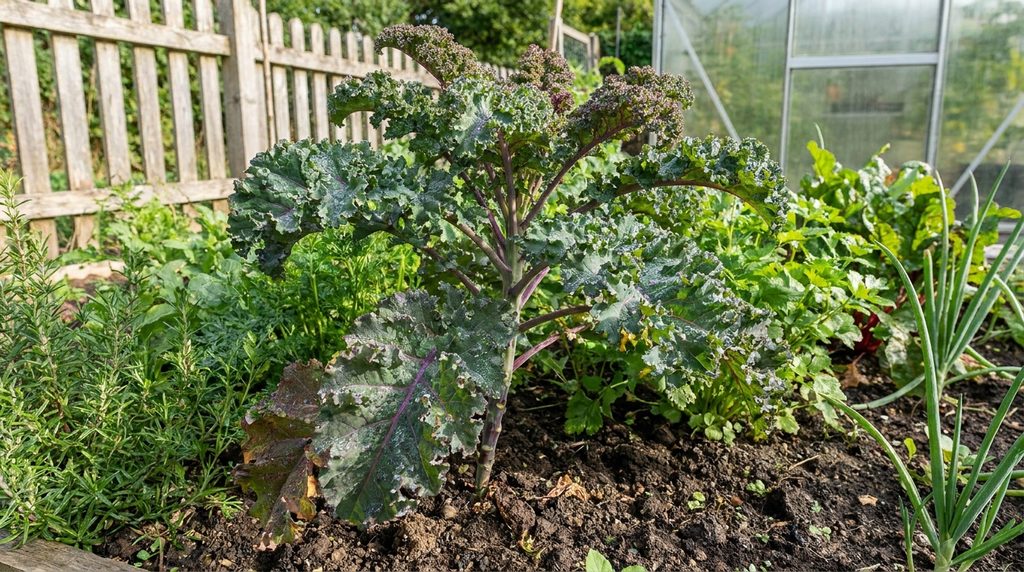
Kale is a cool season crop, so timing matters. In temperate climates, sow outdoors in early spring, about four to six weeks before the last frost, or in late summer for a fall and winter harvest. In warm regions, aim for the cooler months of the year.
Can you grow kale from seed in summer? Yes, but intense heat may make the leaves bitter and push plants to flower early, so give them afternoon shade and extra water. Seeds germinate best when the soil sits between about 18 and 24°C.
Why Are My Citronella Plant Leaves Turning Yellow?
How to Grow Kale From Seed Step by Step
Now for the main event. Think of this as your complete kale planting guide, and follow each step in order for a healthy crop.
Step 1: Prepare the Soil
Kale loves rich, well-drained soil with a pH between 6.0 and 7.5. Mix a few inches of compost or well-rotted manure into the top layer before planting. Choose a spot with six to eight hours of sunlight, although some afternoon shade is welcome in very hot areas. For containers, use a pot at least 30 cm deep and wide with drainage holes, filled with quality potting mix.
Step 2: Sow the Seeds
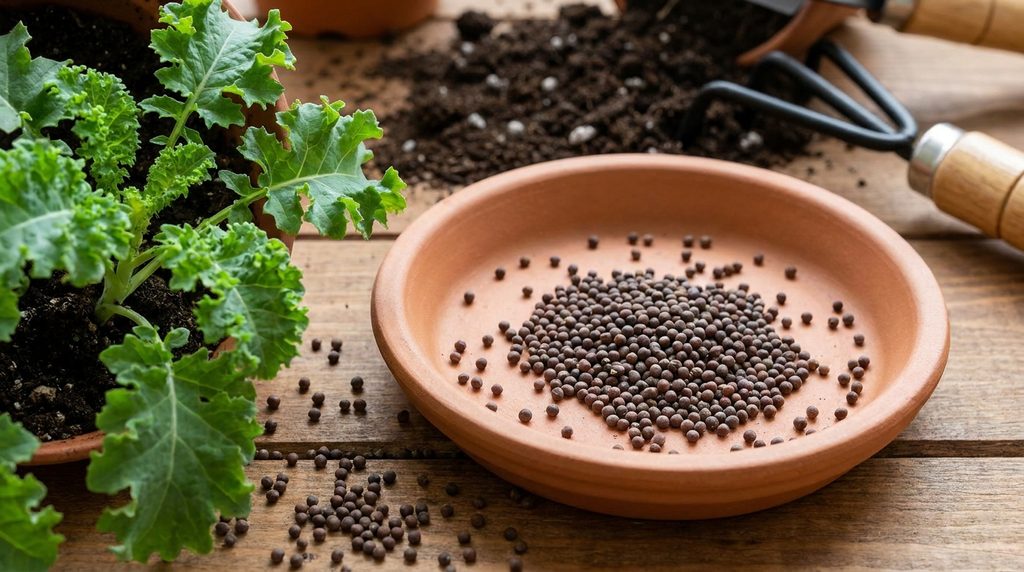
Here is how to plant kale seeds the easy way. Sow them about 6 to 12 mm deep, placing two or three seeds per hole. Space the holes 30 to 45 cm apart, with rows about 45 to 60 cm apart. Cover lightly with soil and water gently. There is no need to soak the seeds first, since they sprout readily without it.
Step 3: Care for Kale Seed Germination
Kale seed germination usually takes five to ten days. Keep the soil evenly moist but never soggy, because waterlogged soil can cause seeds to rot. If you prefer to start indoors, sow in trays four to six weeks before transplanting and place them near a bright window or under a grow light. Too little light is the main reason for leggy seedlings, so keep the light close and strong.
Step 4: Thin the Seedlings
When seedlings are about 5 to 7 cm tall and have their first true leaves, choose the strongest one in each hole and snip the others at soil level with scissors. Pulling them out can damage the roots of the plant you want to keep. The thinnings make tasty microgreens for salads.
Step 5: Water and Feed
Kale likes steady moisture, roughly 2.5 cm of water per week from rain or watering. Water at the base and spread mulch around the plants to hold moisture and block weeds. Feed with compost or a nitrogen rich fertiliser every three to four weeks for lush, green leaves.
Step 6: Transplant Kale Seedlings
If you started indoors, your kale seedlings are ready to move outside when they are four to six weeks old and have four to six true leaves. Harden them off for seven to ten days by leaving them outdoors a few more hours each day, then plant them 30 to 45 cm apart and water well.
Bottom Watering Plants: The Complete Guide
Kale Companion Plants for a Healthier Garden
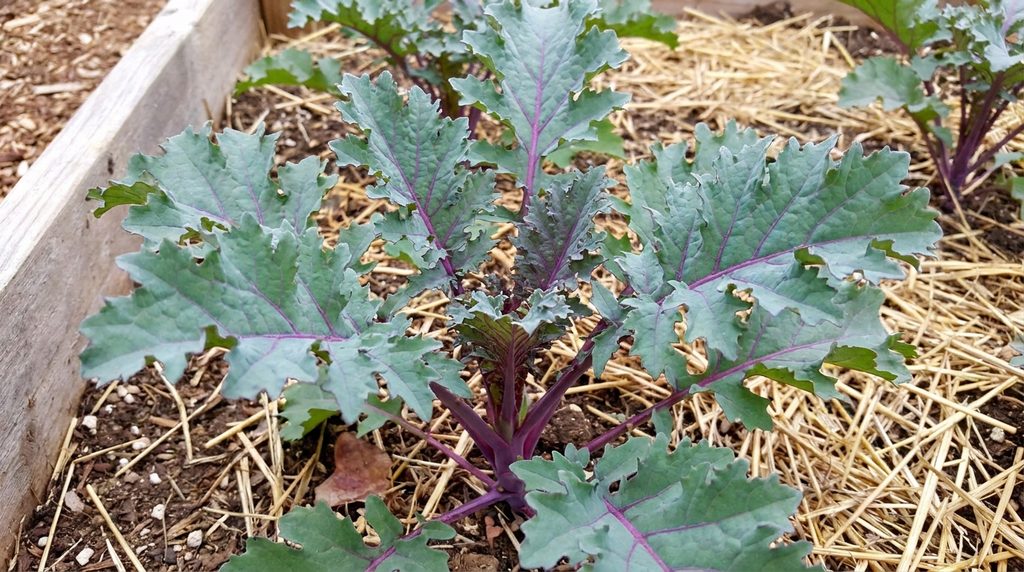
Smart neighbours can boost growth and discourage pests. Kale companion plants such as onions, garlic, dill, mint, thyme, beets and celery work well alongside it, while marigolds and nasturtiums can lure pests away from your leaves. Avoid planting kale next to strawberries, tomatoes or pole beans.
How to Start a Raised Garden Bed from Scratch
Protect Your Kale From Pests and Common Problems
Even tough plants have enemies. Check the undersides of the leaves every week for aphids, cabbage worms, flea beetles and slugs. Blast aphids off with water, pick off caterpillars by hand and cover young plants with a fine insect net. Yellowing lower leaves often point to a lack of nitrogen or too much water, so adjust your feeding and watering to match.
How to Grow Tomatoes in Containers
Kale Harvesting: How to Pick Leaves So the Plant Keeps Growing
Most varieties are ready for a baby leaf harvest in about 30 days and for full size leaves in roughly 55 to 75 days from sowing. For the best kale harvesting results, pick the outer, lower leaves first once they are about the size of your hand. Leave the central growing tip and the top four or five leaves untouched so the plant keeps producing. Never strip more than a third of the plant at once. A light frost actually sweetens the flavour, so there is no need to rush.
10 Houseplants That Thrive in Low Light
Frequently Asked Questions
How long does it take for kale seeds to germinate?
Most seeds sprout in 5 to 10 days when the soil is warm and moist. Cooler soil slows things down, and germination can take up to two weeks.
Should I soak kale seeds before planting?
No, soaking is optional. Kale seeds germinate well on their own as long as the soil stays evenly moist.
Can I grow kale in a container?
Yes. Use a pot at least 30 cm deep and wide with good drainage, plant one kale plant per pot and keep it in a sunny spot. Water often, since containers dry out faster than garden beds.
How long does it take to grow kale from seed to harvest?
You can pick baby leaves in about 30 days. Full size leaves are usually ready in 55 to 75 days, depending on the variety and the weather.
Why are my kale seedlings leggy?
Stretched, leggy seedlings almost always need more light. Move them to a brighter spot or lower your grow light closer to the plants.